
Keloid Removal Singapore: Keloid and Hypertrophic Scar Treatment
Raised scars are treated by type. At IN Eternity Clinic, Dr Sin Yong tells a keloid from a hypertrophic scar, then plans injections, silicone and selected laser, with referral when surgery plus an adjuvant is the better route.
Keloid removal price in Singapore depends on the size and number of scars and how many injection sessions are needed; the consultation is S$120, waived with treatment.
WhatsApp to Enquire →Key facts ↓Keloid removal in Singapore usually means flattening the keloid with a course of steroid injections every four to six weeks, plus silicone gel or sheets, rather than cutting it out, because excision alone often leads to recurrence. Where excision is the right route, it is combined with an adjuvant such as injections, pressure or radiotherapy, with referral where needed. Dr Sin Yong first confirms whether the scar is a keloid or a hypertrophic scar. See also our guide to ice pick scars.
Keloid and hypertrophic scar treatment at a glance
| Question | Keloid and hypertrophic scar treatment |
|---|---|
| What it is | A course of treatment that flattens and softens raised scars. |
| Used for | Keloids (spreading beyond the wound) and hypertrophic scars (within it), often on the earlobes, chest, shoulders, upper back and jawline. |
| How it works | Corticosteroid injections into the scar dampen the inflammation that keeps fibroblasts making collagen; silicone gel or sheets support it; laser for redness once flatter; excision only with an added treatment. |
| Typical sessions | Injections every four to six weeks over several sessions, with daily silicone for at least two to three months. |
| Downtime | Stinging and tenderness for a day or two; a short-lived pale look over the scar. |
| When results show | The scar becomes flatter, softer and less itchy over a course; keloids can recur months or years later, so follow-up continues. |
| Who should avoid or wait | Pregnancy and breastfeeding (injections usually postponed); a lump that appeared without injury, grows fast, bleeds or ulcerates is examined first; excision alone is avoided. |
| Who performs it | Dr Sin Yong, who confirms the scar type and injects. |
Dr Sin Yong, Medical Director of IN Eternity Clinic, explains that a hypertrophic scar stays inside the wound while a keloid keeps going past it, and cutting a keloid out on its own usually invites it back.
On this page
- Hypertrophic scar: raised but within the wound borders; often improves over 12–24 months, faster with treatment.
- Keloid: extends beyond the wound, rarely regresses and is more likely to recur after treatment.
- First-line: corticosteroid injections into the scar every 4–6 weeks, with silicone gel or sheets.
- Laser: an add-on for redness and texture once a scar is flatter; used cautiously in Asian skin.
- Excision: never on its own for keloids; combined with an adjuvant such as injections, pressure or radiotherapy, with referral where needed.
- Where: IN Eternity Clinic, 9 Scotts Road, #12-01 Pacific Plaza, Singapore.
- Excision alone: recurrence after surgical excision alone has been reported in up to every case in some series, which is why keloids are not simply cut out. (Source: Gold 2020) [7]
- Steroid injections in trials: a meta-analysis of 16 randomised trials with more than 814 patients, searched from 1974 to 2017, found steroid injection was most often compared with 5-fluorouracil (in 10 trials). (Source: Ågren 2021) [8]
- The Japanese consensus: the 2018 Japan Scar Workshop consensus sets out four parts: a diagnostic algorithm, treatment algorithms, the rationale for each treatment and body-site-specific protocols, scored with the JSW Scar Scale. (Source: Ogawa 2019) [4]
- First-line care: international scar recommendations give silicone gel sheeting and steroid injections into the scar a primary role. (Source: Mustoe 2002) [3]
Keloid vs hypertrophic scar: what is the difference?
Both are raised scars made of too much collagen, and both can be red, firm, itchy or tender. The difference is behaviour. A hypertrophic scar stays within the borders of the original wound, usually appears within weeks, and often flattens and pales by itself over one to two years. A keloid grows beyond the original wound into normal skin, can keep enlarging for years, rarely settles on its own, and is more likely to return after treatment.

| Feature | Hypertrophic scar | Keloid |
|---|---|---|
| Borders | Stays within the original wound | Spreads beyond it, often with claw-like edges |
| Onset | Weeks after the injury | Weeks to months, sometimes after a minor injury or a pimple |
| Course | Often softens and flattens over 12–24 months | Rarely regresses; may keep growing |
| Common sites | Anywhere under tension, across joints, after burns | Earlobes, chest, shoulders, upper back, jawline |
| Response to treatment | Usually good | Often partial; recurrence is common |
The two can overlap, and some scars behave in between. Telling them apart matters because it changes how aggressively the scar is treated, whether surgery is ever sensible, and how much maintenance to expect. The broader picture, including flat and indented scars, is in scar removal in Singapore.
Why do keloids form, and who is at risk?
Keloids and hypertrophic scars are now understood as a prolonged inflammatory response in the deeper dermis. Instead of switching off once a wound has closed, fibroblasts keep laying down collagen, signalled by growth factors and kept active by tension on the skin. The scar becomes thick, with collagen in dense swirls rather than the orderly pattern of normal skin.
- Skin type and family history. Keloids are more common in people with darker skin, including many Asian skin types, and run in families.
- Site and tension. The breastbone, shoulders, upper back and jaw are under constant stretch from breathing and movement; keloids are rare on the eyelids, where tension is low.
- The type of injury. Ear and cartilage piercings, acne on the chest and back, chickenpox, vaccinations on the upper arm, burns and surgical wounds under tension.
- Age and hormones. Most keloids start between the teens and thirties, and some enlarge during pregnancy.
- Healing problems. Infection, delayed healing or a wound closed under tension raises the risk of a hypertrophic scar.
In Singapore, earlobe keloids after piercing and chest or shoulder keloids after acne are the most common reasons people ask about removal. If acne is still active on the chest or back, settling it is part of preventing new keloids; see back acne treatment.
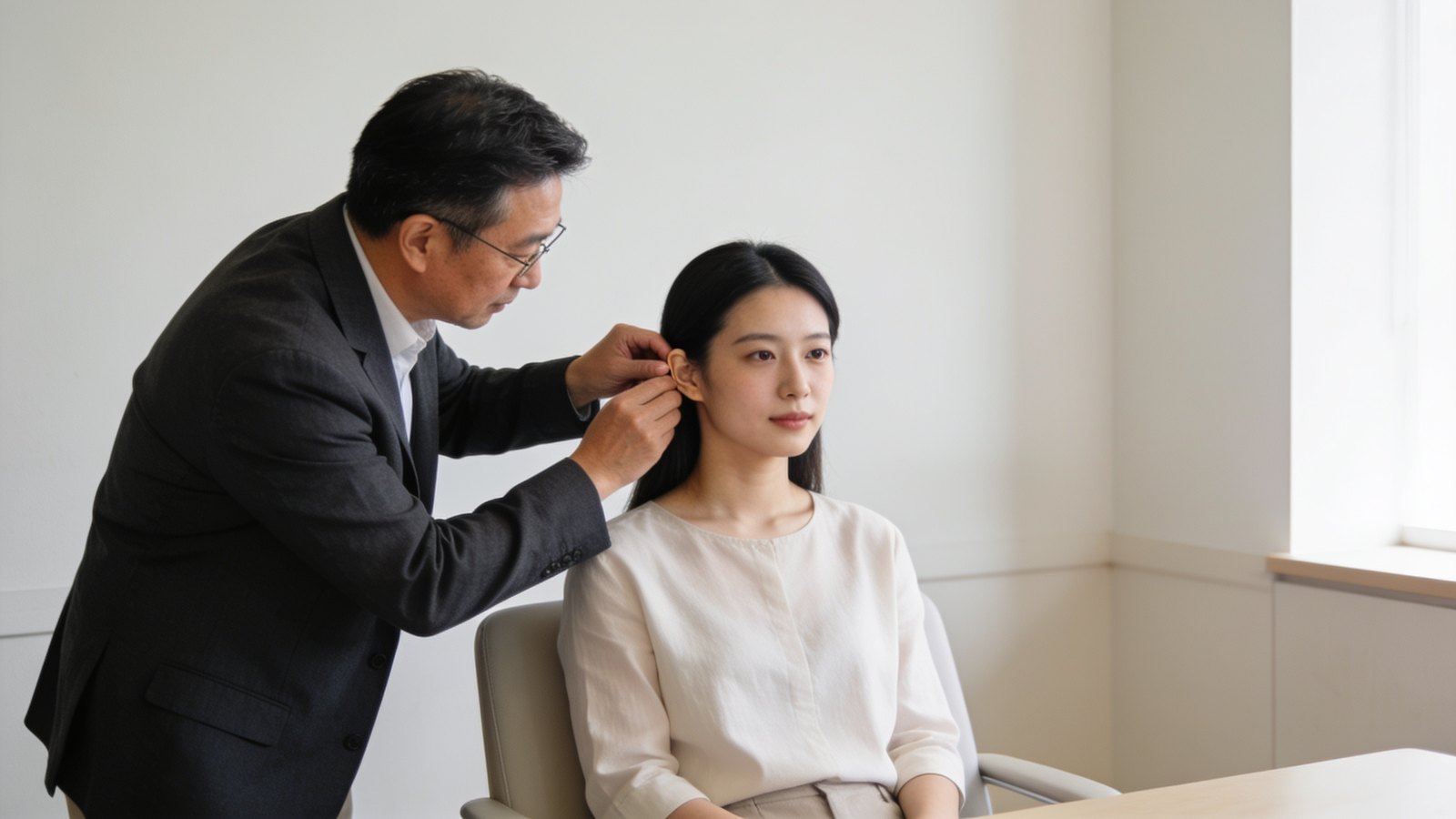
Steroid injections for keloids: how they work and what to expect
Injecting a corticosteroid directly into the scar is the usual first treatment for keloids and for hypertrophic scars that are not settling. The steroid, commonly triamcinolone (a prescription medicine), dampens the inflammation that drives collagen production and helps break down the excess. Over a series, a raised scar usually becomes flatter, softer and less itchy or painful.
Injections are given into the body of the scar with a fine needle, every four to six weeks, and the dose is adjusted at each visit to how the scar is responding. Firm keloids can be uncomfortable to inject; numbing cream and a slow technique help. Several sessions are usually needed, and a large keloid may need many.
The main side effects are local: thinning of the skin around the scar, a lighter patch, small visible vessels or a slight dip if steroid reaches the fat beneath. These are why the dose is kept to what the scar needs and why spacing matters. In some cases an anti-scarring medicine (5-fluorouracil) is combined with the steroid for scars that respond poorly. These choices are made by Dr Sin Yong at assessment.
Do silicone gel and silicone sheets work for raised scars?
Silicone is the most widely recommended first step for preventing raised scars and for treating early hypertrophic scars. It is thought to work by hydrating the outer layer and reducing the signals that keep fibroblasts busy. It is simple and low-risk, but it is slow and depends entirely on consistent use.
- How long each day. Most guidance suggests wearing sheets or keeping gel on the scar for at least 12 hours a day, ideally longer.
- How long overall. At least two to three months, often longer, starting once the wound has closed.
- Gel or sheet. Sheets suit flat areas and add a little pressure; gels suit the face, joints and hair-bearing skin. In Singapore heat, gels are often easier to tolerate.
- Where it fits. Prevention after surgery, early hypertrophic scars, and maintenance between or after injections. On a well-established keloid, silicone alone rarely flattens it.
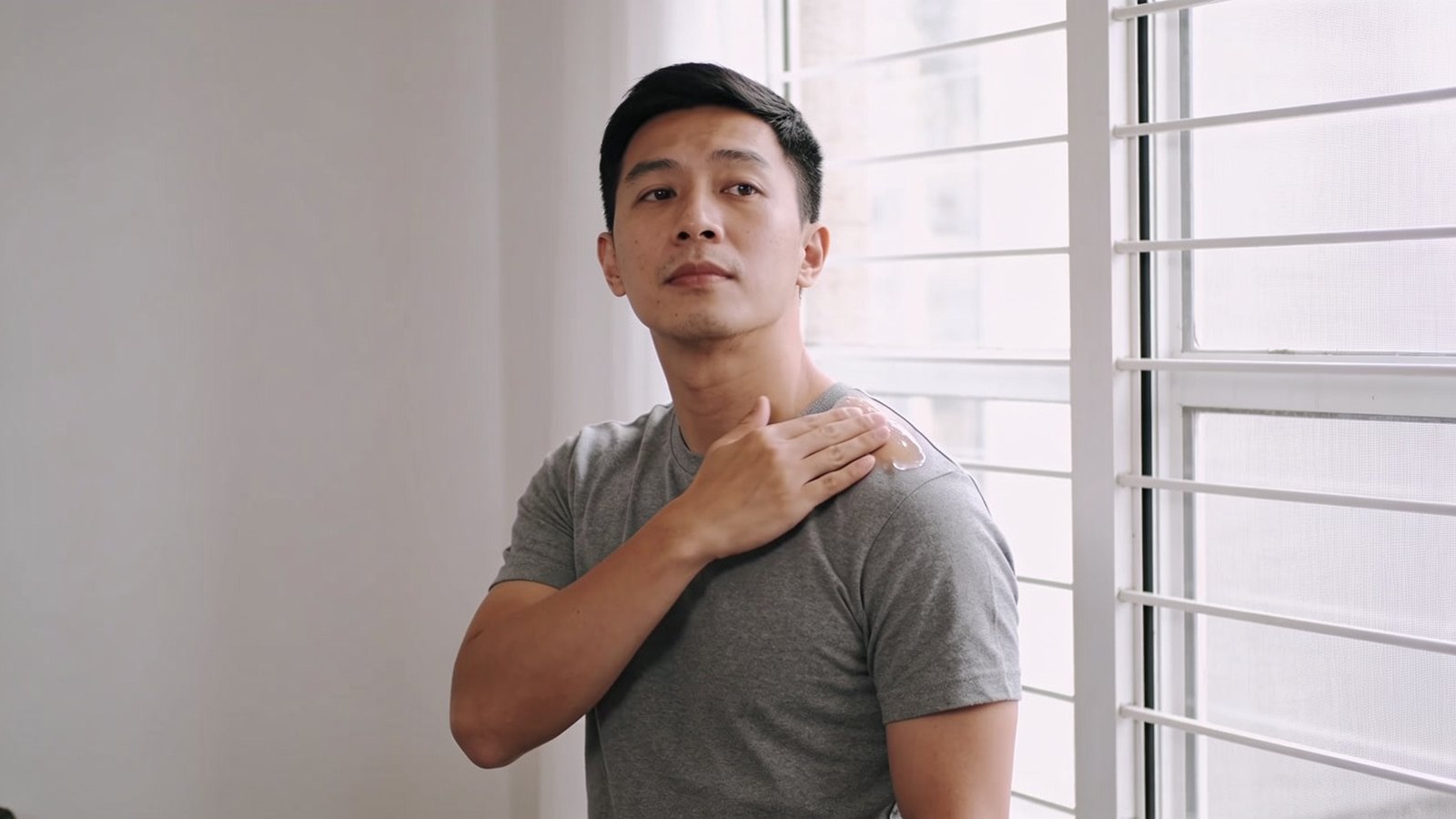
Laser treatment for keloids and hypertrophic scars
Lasers are an add-on for raised scars, not a first treatment. Vascular lasers such as pulsed-dye laser target the small vessels that keep a young scar red and active; long-pulsed 1064 nm Nd:YAG is another wavelength used for this. Fractional lasers make microscopic channels that can soften texture in mature, flattened scars and help steroid spread more evenly.
In Asian skin, lasers on scars carry a risk of post-inflammatory hyperpigmentation, and heat on an active keloid can sometimes provoke it. At IN Eternity Clinic, laser is used selectively, mainly once a scar has been flattened with injections, to improve redness or texture. A scar that is still growing is treated with injections first.
Earlobe keloids: CO2 laser with steroid and pressure
Earlobe keloids, most often after a piercing, are the one place where a CO2 laser is part of the main plan rather than an add-on. Dr Sin Yong plans them in one of two ways at IN Eternity Clinic.
- CO2 removal, then steroid and pressure. For a larger or stalked keloid, the bulk is removed with the CO2 laser, the base is injected with steroid, and a pressure earring is worn afterwards, with regular reviews.
- Fractional CO2 with steroid. For a smaller or flatter keloid, fractional CO2 makes microscopic channels so the steroid spreads more evenly through it, repeated over a few sessions.
Laser on its own is not enough, because an earlobe keloid can come back after any kind of removal. The steroid, the pressure earring and the follow-up visits are what lower that risk. Which plan fits depends on the keloid's size and shape, how long it has been growing and whether it has come back before.
“A hypertrophic scar stays inside the wound; a keloid keeps going past it. Cutting a keloid out on its own usually invites it back.”
Keloid removal in Singapore: can a keloid be cut out?
It can, but cutting it out on its own is one of the commonest reasons a keloid comes back. The new wound is itself an injury in keloid-prone skin, and reviews report recurrence after excision alone in roughly half or more of cases, sometimes larger than before. That is why excision is planned as one step in a combination, never as the whole treatment.
When surgery is sensible, for example for a large earlobe keloid or one that has not responded to injections, it is combined with an adjuvant to stop regrowth: steroid injections into the wound edges over the following months, pressure earrings for earlobes, silicone, and in selected cases low-dose radiotherapy given within days of surgery. Radiotherapy and complex excisions are carried out by hospital plastic surgery, dermatology or radiation oncology teams. If that is the right route for you, Dr Sin Yong will say so and arrange a referral.
Cryotherapy, freezing the keloid from outside or within, is used at some centres for small keloids. It can leave a pale patch, which is more noticeable in darker skin, so it is discussed carefully. A keloid history changes the plan for tattoo removal; see tattoo removal and keloids.
How many sessions does keloid treatment take?
Raised scars respond slowly and in stages. The table gives typical roles; the actual plan depends on the scar, its age, the site and your history of keloids.
| Option | Role | Typical course | Main trade-offs |
|---|---|---|---|
| Steroid injection | First-line for keloids and stubborn hypertrophic scars | Every 4–6 weeks over several sessions | Skin thinning or lightening if overused; discomfort |
| Silicone gel or sheet | Prevention, early scars, maintenance | Daily for at least 2–3 months | Slow; depends on daily use |
| Laser | Redness and texture once flattened | A short course, spaced weeks apart | Pigment risk in darker skin |
| Excision with adjuvant | Large or resistant keloids | Surgery, then months of follow-up | High recurrence without adjuvant; referral |
| Pressure | Earlobes after excision | Worn daily for months | Comfort, compliance |
Success is measured as a scar that is flatter, softer, paler and no longer itchy or painful, not as the scar disappearing. Keloids can recur months or years later, so follow-up is part of the plan.
Preventing keloids after surgery, piercing or acne
- If you have had a keloid before, tell any doctor before surgery, and avoid elective piercings, especially of the ear cartilage, and tattoos at keloid-prone sites.
- After surgery, keep tension off the wound where possible, start silicone once it has closed, and seek review early if the scar thickens or itches in the first weeks.
- Treat chest and back acne early, and avoid squeezing spots on the chest and shoulders.
- Early review matters. A raised scar treated in its first months usually needs less treatment than one that has grown for years.
When does a raised scar need a different kind of check?
Most raised scars are what they appear to be. A lump that appeared without any injury, grows quickly, bleeds, ulcerates or looks different from your other scars should be examined properly, and sometimes sampled, before it is treated as a keloid, because a few skin growths can mimic one. Scars that restrict movement across a joint, or burn scars over a large area, belong with a burns or plastic surgery team. Flat, red or brown marks after acne are not raised scars at all; see PIE vs PIH: red vs brown acne marks, and for indented acne scars, acne scar treatment in Singapore.
Your keloid injection visit, step by step
Most raised scars are treated with a series of injections. A typical visit runs like this.
- Assessment with Dr Sin Yong. The scar is confirmed as a keloid or a hypertrophic scar, measured and photographed, and your history of keloids is noted.
- Preparation. The skin is cleansed, and numbing cream can be applied beforehand to make the injection more comfortable.
- The injection. A fine needle places the medicine slowly into the body of the scar. The dose is matched to how it responded last time; a small scar takes only a few minutes.
- Straight after. The scar may look pale and feel tender. Silicone is restarted when advised.
- The next days. Tenderness for a day or two; daily silicone, and no friction or tight straps over the area.
- Review. At four to six weeks the scar is measured again, and the next step is chosen: another injection, laser for redness once it is flatter, or referral.
Surgical scars follow similar principles; see surgical and trauma scars.
What keloid treatment results look like over time
Raised scars respond slowly and in stages, so success is a scar that is flatter, softer and calmer, not one that disappears.
| When | What you may notice |
|---|---|
| After each injection | Tenderness for a day or two; the scar may look pale. |
| Every four to six weeks | The scar is measured and the next step chosen. |
| Over several sessions | The scar becomes flatter, softer and less itchy; laser can follow for redness. |
| 12–24 months | Many hypertrophic scars soften and pale over this time, faster with treatment. |
| Months to years | Follow-up continues, because keloids can recur. |
What affects the cost of keloid treatment in Singapore
Keloid treatment is planned as a course, and the cost follows that course. How fees work is on fees and consultation; flat, indented and stretch-mark scars are compared on scar removal in Singapore.
| What affects the cost | Why it matters |
|---|---|
| Number and size of scars | One small earlobe keloid is a different plan from several large chest scars. |
| Number of sessions | Injections are repeated weeks apart until the scar is flatter, and large keloids need more. |
| Method | Injections, silicone, laser for redness, or referral for excision with an added treatment, which the hospital team arranges and charges. |
| Medicine amount | The amount injected depends on the size of the scar and is adjusted at each visit. |
| Combination with other care | Treatment of active chest or back acne, and laser once the scar is flatter. |
| Assessment findings | Keloid or hypertrophic scar, the site and your history of recurrence decide how intensive the plan is. |
At IN Eternity Clinic a consultation fee applies, and it is waived if you go ahead with any medical treatment; the fee is S$120.
Side effects of keloid treatment, and when to call
Injections and silicone are the usual first steps for raised scars, and their side effects are well described in scar guidelines (Ogawa et al., 2019; Berman et al., 2017). Most are local and avoidable with careful dosing and spacing.
Common and expected
- Stinging during the injection and tenderness for a day or two.
- A small bruise or a short-lived pale look over the scar.
- Itch or heat rash under silicone sheets in humid weather; gel is often easier.
Uncommon
- Thinning of the skin around the scar, a lighter patch or small visible vessels.
- A slight dip if medicine reaches the fat beneath.
- Brown marks after laser in darker skin.
- A keloid returning months or years later, which is why follow-up continues.
When to contact the clinic
- A scar that keeps growing despite treatment, or that bleeds or ulcerates.
- Redness, heat or pus around an injection site.
- A white patch or a dip that is getting more obvious.
WhatsApp the clinic on +65 8815 3008, ideally with a photograph, or call during opening hours; if you are unwell or the problem is severe out of hours, go to a GP or an emergency department. Why deep acne spots are worth treating early is explained in cystic acne: when to see a doctor.
Why does the site of a keloid change the plan?
Keloids behave differently by site: earlobe keloids often suit removal plus injections and pressure, while stretched chest and shoulder keloids are usually flattened, not cut.
| Site | Why it behaves this way | Usual approach | Extra care |
|---|---|---|---|
| Earlobe (after piercing) | Little skin tension; the keloid has a clear base | Removal combined with injections and pressure earrings; adjuvant referral where needed | Re-piercing later is discussed carefully |
| Chest (front) | Constant stretch from breathing and arm movement | Injections and silicone to flatten; cutting out is avoided | Acne on the chest is treated early |
| Shoulders and upper arms | Stretch with movement; vaccination and acne sites | Injections, silicone, laser for redness once flatter | Courses tend to be longer |
| Jawline and beard area | Acne and shaving injuries; movement | Injections; acne control; careful shaving | Darker marks after injections are watched for |
| Surgical scars (abdomen, other) | Tension across the wound | Silicone and taping early; injections if thickening | Plan before any further surgery |
Raised acne scars are also covered in acne scar treatment in Singapore, and other scar types in scar removal in Singapore.
Do pressure earrings and compression help keloids?
Pressure can help, particularly for earlobe keloids after removal, but only when worn for many hours a day over months; it supports injections rather than replacing them.
Pressure earrings or clips press the healing earlobe so collagen is laid down more evenly. On the body, compression garments are used mainly for larger scars such as burns. They need to be fitted well and worn consistently, and skin under them is checked for irritation. Pressure is one of several anti-inflammatory approaches, alongside steroid injections and silicone, that are combined for raised scars.
What to avoid, keloids in children and how long they take to flatten
What should I avoid while treating a keloid?
Avoid picking, rubbing or squeezing the keloid, new piercings or tattoos, unnecessary cosmetic surgery, and tight clothing or straps over the area. Treat acne early to prevent new keloids on the chest and back. Tell any doctor or surgeon who plans a procedure that you form keloids.
Can keloids in children be treated?
Yes. Children can develop keloids after ear piercing, vaccinations, burns or injuries. Treatment is usually gentler, starting with silicone and pressure, and steroid injections when needed with numbing for comfort. Surgery is planned carefully because keloids can recur. A doctor guides the plan with the parents.
How long does it take for a keloid to flatten?
Most keloids need a series of treatments over several months. Steroid injections are usually repeated every four to six weeks, and many keloids soften and flatten after three to six sessions. Large or old keloids may take longer and need combined treatment. Results vary, and follow-up continues because keloids can return.
Frequently asked questions about keloid removal Singapore price
How do you shrink a keloid naturally?
There is no proven natural way to shrink an established keloid. Silicone gel or sheets and pressure can flatten new or small scars and help prevent regrowth, and protecting the scar from the sun reduces darkening. Home remedies such as onion extract have weak evidence. Established keloids usually need steroid injections, laser or a combination planned by a doctor.
What is inside a keloid bump?
A keloid is made of dense, disorganised collagen produced by overactive scar-forming cells called fibroblasts. It is solid scar tissue, not fluid or pus, which is why it cannot be squeezed or drained. Keloids can grow beyond the original wound and may itch or hurt. A lump that grows quickly or looks unusual should be examined by a doctor.
What decides the price of keloid removal in Singapore?
The price of keloid removal in Singapore depends on the size and number of keloids, the treatments combined (injections, laser, pressure or surgery) and the number of sessions. Keloids often recur, so a plan includes follow-up. An estimate follows assessment.
How much does keloid treatment cost in Singapore?
It depends on the method (steroid injections, laser, silicone, surgery with injections), the size and number of keloids and how many sessions. IN Eternity Clinic sets the plan and cost out at the consultation; the consultation fee is S$120 and is waived when a treatment is started.
Do steroid injections work for keloids?
Yes; intralesional steroid is the first-line treatment, repeated every four to six weeks, flattening and softening most keloids over a course.
Can a keloid be fully removed?
A keloid can be flattened and softened a great deal, but it is rarely gone for good. Cutting it out alone has a high chance of it coming back bigger, so excision is combined with steroid injections, pressure or other treatment. Steroid injections, sometimes with laser, are the usual first step. Keloids need long-term follow-up because they can recur years later.
How do Koreans treat keloids?
Korean dermatologists use the same core treatments as elsewhere: steroid injections into the keloid, often combined with lasers to reduce redness and thickness, and silicone gel or sheets. Surgical removal is followed by injections or other measures to prevent recurrence. Some clinics add botulinum toxin to reduce tension. The approach depends on the keloid's size, site and history.
What is a hypertrophic scar?
A hypertrophic scar is a raised, firm scar made of too much collagen that stays within the borders of the original wound. It usually appears within weeks and can be red, itchy or tender. Many soften and pale by themselves over 12 to 24 months, faster with treatment such as silicone gel or sheets and steroid injections. A keloid, by contrast, grows beyond the wound.
What is in a keloid injection, and how does it work?
The usual keloid injection is a corticosteroid placed into the scar. It dampens the inflammation that keeps fibroblasts making collagen, so the scar gradually flattens, softens and itches less. Injections are repeated every four to six weeks over several sessions. For scars that respond poorly, an anti-scarring medicine, 5-fluorouracil, is sometimes combined with the steroid. The dose is kept to what the scar needs.
Is keloid treatment safe?
The usual first steps, injections into the scar and silicone, have well-described side effects, and most are local and avoidable with careful dosing and spacing. Stinging, tenderness for a day or two and a short-lived pale look are common; thinning of nearby skin, a lighter patch, small visible vessels or a slight dip can occur. Laser carries a pigment risk in Asian skin. Injections are usually postponed during pregnancy and breastfeeding.
What is the downtime after keloid treatment?
Usually little. Straight after an injection the scar may look pale and feel tender, and tenderness typically lasts a day or two, sometimes with a small bruise. Over the next days, daily silicone continues and friction or tight straps over the area are avoided. At four to six weeks the scar is measured again and the next step is chosen.
Can keloids be removed permanently?
Keloids can usually be flattened and softened, but no treatment removes the tendency to form them. Excision on its own often leads to recurrence, so it is combined with injections, pressure, silicone or radiotherapy. Follow-up continues because keloids can return months or years later.
How many steroid injections does a keloid need?
It varies with size and age. Small, young keloids may flatten after a few sessions; large or long-standing ones may need many, spaced four to six weeks apart. The dose and number are adjusted at each review to limit thinning of the surrounding skin.
Do hypertrophic scars go away on their own?
Many soften, flatten and pale over 12 to 24 months, especially with silicone and time. Treatment is considered when a scar is itchy, painful, still thickening after several months or in a visible area. Keloids, by contrast, rarely settle on their own.
Is keloid treatment painful?
Injecting a firm keloid is uncomfortable for a few seconds per point. Numbing cream, fine needles and a slow technique reduce this. Silicone is not painful. Laser feels like brief heat or snapping. Any discomfort is discussed before treatment.
Can I get my ears pierced again after an earlobe keloid?
It is generally advised not to, because the same skin is likely to form another keloid. If you choose to, discuss it with a doctor first; some people use pressure earrings and early steroid at the first sign of thickening, but the risk remains.
Does silicone gel work on old keloids?
On its own, rarely. Silicone is most useful for prevention and for early hypertrophic scars. On an established keloid it is mainly used alongside injections, or afterwards to help keep the scar flat.
Does MediSave cover keloid treatment?
Coverage depends on whether a treatment is considered medically necessary and on the scheme and insurer. Aesthetic treatments are generally not claimable. The clinic can explain what applies to you; see MediSave and insurance claims.
Can keloids be treated with laser alone?
Usually not. Laser helps redness and texture once a raised scar has been flattened, but heat on an active, growing keloid can sometimes stimulate it. Injections into the scar and silicone are the usual first steps, with laser added later and used cautiously in Asian skin. A keloid that is still growing is treated with injections first.
Why does my keloid itch?
Itch is common in keloids and active hypertrophic scars. The scar contains more nerve fibres and inflammatory signals than normal skin, and heat and sweat make it worse, which many people notice in Singapore’s humidity. Itch usually eases as injections and silicone settle the inflammation, and a scar that stops itching is often becoming less active.
Can a keloid turn into cancer?
Keloids are benign and do not turn into cancer. A small number of skin cancers and other growths can look like a keloid, though, so a lump that appeared without any injury, grows quickly, bleeds or ulcerates is examined, and sometimes sampled, before it is treated as a keloid. If in doubt, it is checked first.
Are earlobe keloids treated differently?
Earlobe keloids after piercing are among the commonest in Singapore. Small ones may flatten with injections; larger ones are often excised and then treated with injections into the wound edges and pressure earrings worn daily for months, with referral where surgery is needed. Re-piercing the same ear is usually advised against.
Can I prevent a keloid after acne on my chest?
You can lower the risk. Treat chest and shoulder acne early, avoid squeezing spots there, and have any spot that stays firm or raised looked at in its first months. If a scar starts to thicken, silicone and early injections usually need less treatment than a keloid that has grown for years. See back and chest acne treatment.
Do keloids go away on their own?
Rarely. Unlike hypertrophic scars, which often soften over a year or two, keloids tend to persist and may keep growing slowly. They can become less red and itchy with time, but the raised tissue usually remains, which is why treatment, most often steroid injections with silicone, is offered rather than waiting.
Can a keloid grow back bigger after removal?
It can. Cutting out a keloid creates a new wound, and in keloid-prone skin that wound can form a new, sometimes larger keloid. That is why excision is combined with an adjuvant such as injections, pressure or, by referral, radiotherapy, and followed up closely. Many keloids are flattened without being cut at all.
Can keloids get worse during pregnancy?
Some do. Hormonal change in pregnancy has been linked with keloids growing or becoming more itchy. Steroid injections and most other keloid treatments are usually postponed during pregnancy and breastfeeding, while silicone can often continue. A plan can be made so treatment starts afterwards.
Can I have surgery or a new piercing if I get keloids?
Tell any doctor operating on you that you form keloids, so the wound can be planned, closed with less tension and treated early with silicone or injections. New piercings and tattoos are better avoided, particularly on the earlobes, chest and shoulders, because each new wound is another chance to form a keloid.
Are keloids more common in Asian skin?
Keloids are reported more often in people with darker skin, including many people of Asian and African descent, and they run in families. They are also commoner between puberty and about 30. In skin types III to V, injections and lasers are planned with care, because light or dark marks can follow treatment.
Is it worth getting a keloid treated?
Usually yes when it itches, hurts, keeps growing or bothers you. Treatment flattens and softens keloids and relieves symptoms, although it rarely makes the skin look as it did before, and keloids can recur. The decision weighs symptoms, size, site and your scarring history, and is discussed at assessment.
What kind of doctor treats keloids in Singapore?
Dermatologists, plastic surgeons and doctors with scar training all treat keloids. Injections, silicone and selected laser can be done in an aesthetic clinic; excision with adjuvant treatment is referred to a plastic surgery team. At IN Eternity Clinic, Dr Sin Yong assesses the scar and plans injections and laser, and refers where surgery is the honest answer.
Book an assessment
IN Eternity Clinic, 9 Scotts Road, #12-01 Pacific Plaza, Singapore 228210. By appointment with Medical Director Dr Sin Yong. Monday to Saturday, 11am to 8pm. WhatsApp or call +65 8815 3008. The consultation fee is waived with any medical treatment.
International KOL — CLASSYS · HIRONIC · DEKA · ALMA · FOTONA · LUTRONIC
References
- Ogawa R. Keloid and hypertrophic scars are the result of chronic inflammation in the reticular dermis. Int J Mol Sci 2017;18(3):606. doi:10.3390/ijms18030606
- Berman B, Maderal A, Raphael B. Keloids and hypertrophic scars: pathophysiology, classification, and treatment. Dermatol Surg 2017;43 Suppl 1:S3-S18. doi:10.1097/DSS.0000000000000819
- Mustoe TA, Cooter RD, Gold MH, et al. International clinical recommendations on scar management. Plast Reconstr Surg 2002;110(2):560-571. doi:10.1097/00006534-200208000-00031
- Ogawa R, Akita S, Akaishi S, et al. Diagnosis and treatment of keloids and hypertrophic scars — Japan Scar Workshop Consensus Document 2018. Burns Trauma 2019;7:39. doi:10.1186/s41038-019-0175-y
- Davis EC, Callender VD. Postinflammatory hyperpigmentation: a review of the epidemiology, clinical features, and treatment options in skin of color. J Clin Aesthet Dermatol 2010;3(7):20-31. PMID 20725554
- Singapore Medical Council. Guidelines on Aesthetic Practices for Doctors (2016 edition). healthprofessionals.gov.sg/smc
- Gold MH, Nestor MS, Berman B, Goldberg DJ. Assessing keloid recurrence following surgical excision and radiation. Burns Trauma 2020;8:tkaa031. doi:10.1093/burnst/tkaa031
- Ågren MS, Danielsen PL. Corticosteroid injection alone or combined with surgical excision of keloids versus other therapies including ionising radiotherapy: a systematic review and meta-analysis of randomised controlled trials. Eur Burn J 2021;2(2). doi:10.3390/ebj2020004
These sources describe mechanisms and general evidence. They are not a promise of any individual result; suitability is decided at an in-person assessment.