
Melasma Treatment Singapore
Melasma is a long-term, hormone- and light-sensitive pigment condition. At IN Eternity Clinic it is confirmed first, then managed with medical care, sun and heat control and conservative laser where it helps.
Melasma treatment is long-term management: sun and heat control, medical creams and careful laser where it helps.
WhatsApp to Enquire →Key facts ↓Melasma is a long-term, hormone- and light-sensitive pigment condition that causes symmetrical brown or grey-brown patches, usually on the cheeks, forehead and upper lip. It darkens with UV, visible light, heat and hormonal change such as pregnancy or the contraceptive pill, and is more common in women. It can be controlled and lightened, but it is managed rather than cured; see melasma explained. Combined laser plan: R2T2 laser.
Melasma treatment at a glance
| Melasma treatment at IN Eternity Clinic | |
|---|---|
| What it is | A long-term plan for melasma rather than one procedure: protection, medical care and conservative laser where it helps. |
| Used for | Symmetrical brown or grey-brown patches, usually on the cheeks, forehead and upper lip, driven by hormones, light and heat. |
| How it works | Daily protection from UV, visible light and heat is the base; creams and, for suitable people, oral tranexamic acid calm the pigment; low-energy laser toning is added once the skin is stable. |
| Typical sessions | A layered plan over months; laser toning, where used, is a spaced series reviewed as the skin responds. |
| Downtime | Little after toning: pinkness that settles later the same day or by the next morning. |
| When results show | Change is gradual over months and varies between people; melasma can be controlled and lightened, but it can return. |
| Who should avoid or wait | Oral tranexamic acid is not prescribed without a review and is avoided in some people; many treatments are avoided in pregnancy and breastfeeding; IPL is generally avoided. |
| Who performs it | Assessed and planned by Medical Director Dr Sin Yong. |
Dr Sin Yong, Medical Director of IN Eternity Clinic, explains that melasma rewards patience and punishes force, so the skin is stabilised with protection and medical care first, and laser energy is kept low, because the fastest-looking laser plan is usually the one that makes it darker.
On this page
Consultations in English and Mandarin (面诊可使用英语或华语). This page is also available in: 中文.
- What it is: symmetrical brown or grey-brown patches, usually on the cheeks, forehead and upper lip, driven by hormones, light and heat.
- Often confused with: sun spots, Hori’s naevus and post-inflammatory marks — each is treated differently. How to tell them apart is set out in age spots vs freckles vs melasma.
- Main pillars: daily broad-spectrum sun protection including visible light, topical treatment, and where suitable oral tranexamic acid under medical supervision.
- Laser’s role: supportive and conservative; strong heat can make melasma darker.
- Honest outlook: managed rather than cured; it can return with sun, heat or hormonal change.
- Where: IN Eternity Clinic, 9 Scotts Road, #12-01 Pacific Plaza, Singapore.
- Oral medicine in Singapore: of 561 patients given oral tranexamic acid at a Singapore centre (median four months), about nine in ten improved, usually within two months; about a quarter relapsed, and one had a deep vein thrombosis. (Source: Lee 2016) [5]
- Toning can backfire: in 22 Asian patients treated with low-fluence Q-switched toning, three developed mottled pale spots, four had rebound darkening and all saw melasma return. (Source: Wattanakrai 2010) [3]
- Too many sessions: 14 Chinese women developed patchy depigmentation after 6 to 50 toning sessions; toning had not improved melasma in any of the five treated for it. (Source: Chan 2010) [14]
- Pico laser is not a cure-all: across 200 Asian patients with pigmentary disorders, just over half were rated excellent three months after picosecond laser, so a good share were not. (Source: Dong 2021) [15]
Melasma is not sun spots
Sun spots are sharply edged and sit where sun has hit for years. Melasma tends to form broader, symmetrical patches that darken with sun, heat and hormonal change such as pregnancy or the contraceptive pill. In Asian skin it often coexists with Hori’s naevus, which sits deeper and needs a different laser approach.
Dr Sin Yong examines the pattern, may use magnification, and takes standard photographs. Getting the label right matters, because the treatment that clears a sun spot can worsen melasma.
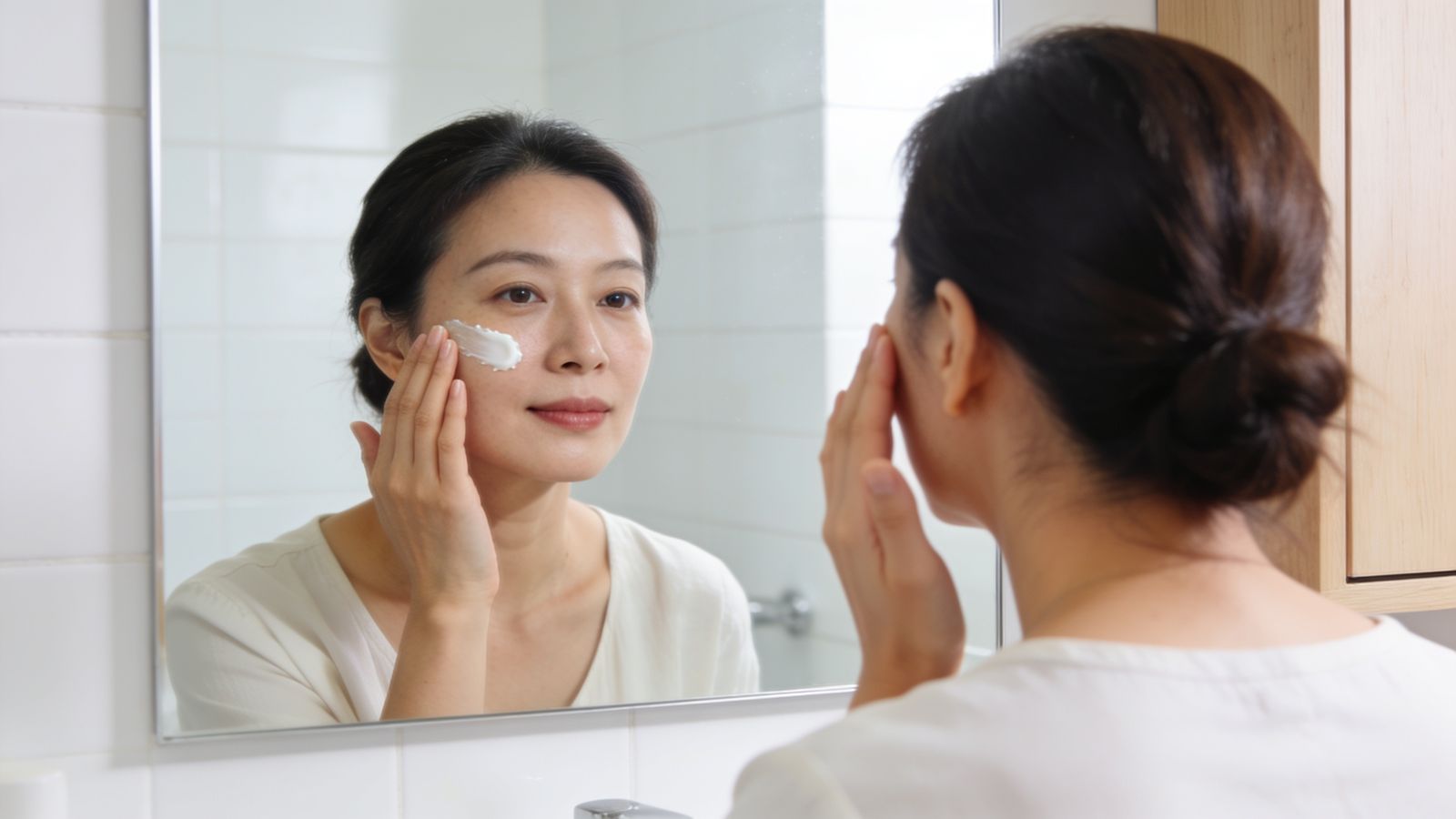
Medical care first, laser as support
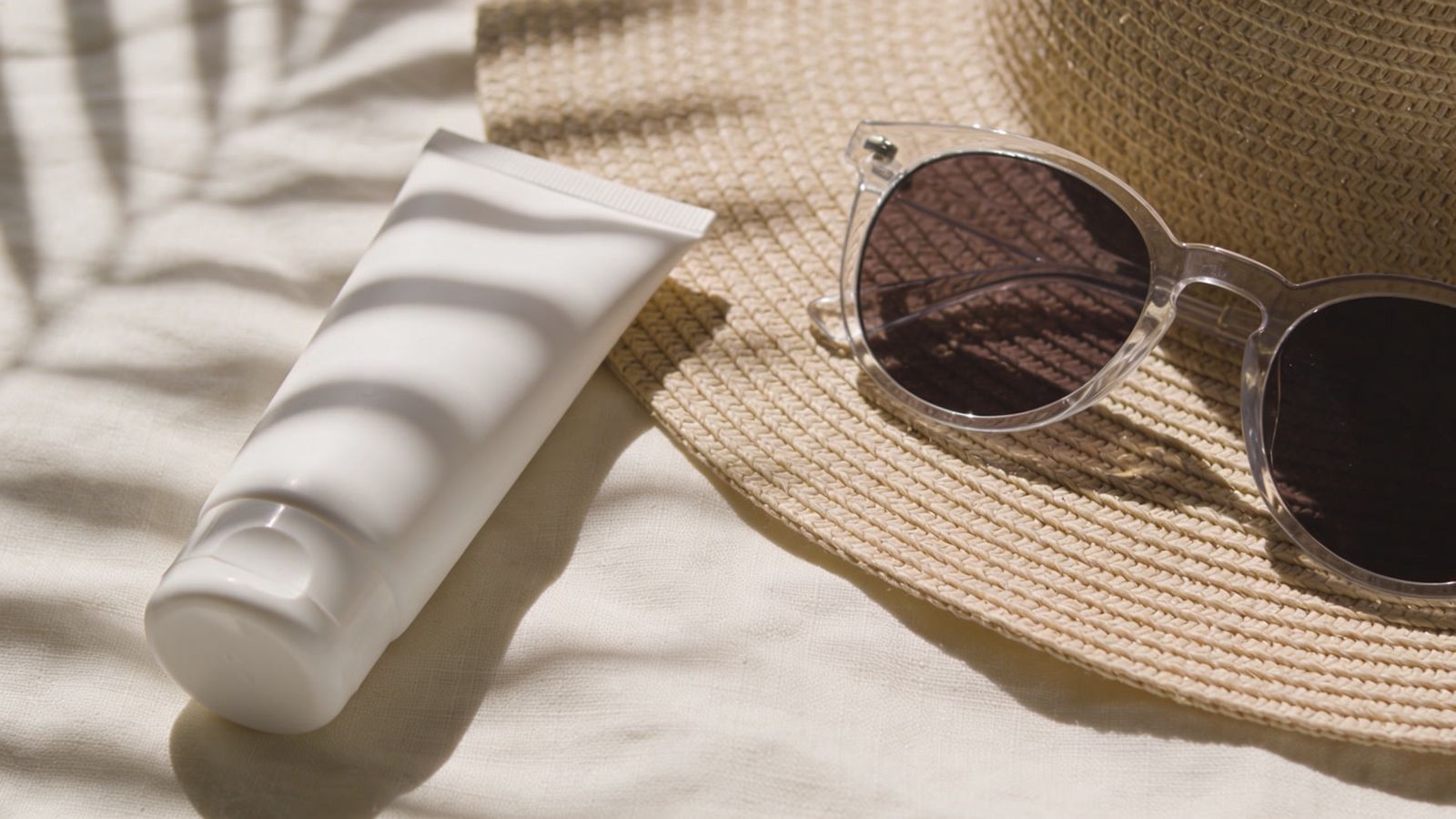
The base of every plan is protection from UV and visible light with a tinted broad-spectrum sunscreen, a hat and shade, plus topical agents chosen for your skin. Oral tranexamic acid has published evidence in melasma and may be considered after a medical review of clotting risk.
Where laser is added, it is low-energy and spaced out, such as laser toning. The aim is gradual lightening without provoking rebound pigment.
“Melasma rewards patience and punishes force. The fastest-looking laser plan is usually the one that makes it darker.”
Melasma: laser vs tranexamic acid vs skincare
People often ask which single treatment works for melasma. The more useful question is what each one does, because they act at different points: skincare and sun protection reduce the signals that switch pigment cells on, tranexamic acid dampens one of those signalling pathways from within, and laser removes some of the pigment already made.
| Approach | How it works | Where it fits | Main cautions |
|---|---|---|---|
| Sun and visible-light protection | Tinted broad-spectrum sunscreen with iron oxides blocks UV and visible light | Every plan, every day | Works only if used daily and reapplied |
| Topical creams | Slow pigment production: e.g. azelaic acid, topical tranexamic acid, niacinamide; hydroquinone-containing creams are prescription medicine | First line, and maintenance | Irritation can itself darken skin; hydroquinone is used in limited courses |
| Oral tranexamic acid (prescription medicine) | Reduces plasmin-driven signalling between blood vessels, skin cells and pigment cells | Moderate to severe or resistant melasma | Clotting history screened; relapse common after stopping |
| Low-energy laser | Low-fluence 1064 nm or picosecond pulses fragment pigment with little heat | Supportive, alongside the above | Too much energy or too many sessions can cause rebound or pale spots |
Who should not take oral tranexamic acid?
Tranexamic acid tablets are a prescription medicine originally used to reduce bleeding, and the doses used for melasma are lower than those used for heavy periods. Even so, it is not prescribed without a review. It is usually avoided in people with a past blood clot, stroke or clotting disorder, those on hormone treatments that raise clotting risk such as some contraceptive pills or hormone replacement, heavy smokers, and during pregnancy.
Side effects reported in studies are mostly mild, such as stomach upset, headache or lighter periods. Any calf pain or swelling, chest pain or sudden breathlessness needs urgent medical attention. See pregnancy and breastfeeding safety for what is deferred.
Melasma types: epidermal, dermal and mixed
Melasma is described by where it sits on the face, commonly the cheeks, the centre of the face or the jawline, and by how deep the pigment lies. Depth matters more for treatment, because it predicts how quickly a patch can lighten and how much caution laser needs.

| Type | Where the pigment sits | How it tends to look | How it usually responds |
|---|---|---|---|
| Epidermal | Upper skin layer | Light to dark brown, sharper edges; looks more obvious under a Wood’s lamp | Responds more readily to sun protection, topicals and gentle laser |
| Dermal | Deeper, in pigment-laden cells of the dermis | Blue-grey or ashen, softer edges; not enhanced under the lamp | Slower and less predictable; laser energy must stay low |
| Mixed | Both layers | Brown with grey areas; the commonest pattern in practice | Partial response; the epidermal part usually lightens first |
Depth is estimated at the consultation with magnification and, where helpful, a Wood’s lamp, and the face is also checked for look-alikes such as Hori’s naevus, sun spots and post-inflammatory marks, which often sit alongside melasma in Asian skin. The melasma condition guide covers causes and patterns, and the pigmentation overview helps if you are not sure what kind of pigment you have. Darker skin types are more prone to post-inflammatory marks; the Fitzpatrick skin type test explains what your type means for lasers.
A combination melasma plan: what goes in, and in what order
No single step controls melasma for long, so the plan is layered and sequenced. Starting with laser on irritated or sun-exposed skin is the commonest route to rebound pigment, which is why protection comes first.
| Phase | Usual timing | What is done | Why |
|---|---|---|---|
| Calm and protect | Weeks 0 to 8 | Tinted broad-spectrum sunscreen with iron oxides, heat avoidance, a simple topical regimen | Removes the daily triggers and settles any irritation first |
| Medical support | From about week 8, if suitable | A prescription option may be added after a medical review | Dampens the signals that keep switching pigment cells on |
| Laser toning | Once the skin is calm | Low-fluence 1064 nm or picosecond toning, spaced out | Clears some pigment already made, with little heat |
| Maintenance | Ongoing | Protection every day, topicals a few nights a week, occasional review | Melasma tends to return when protection lapses |
Each layer covers a gap in the others. Our comparison of melasma laser vs tranexamic acid vs skincare explains what each does on its own and why most people do better with a combination.

Your melasma assessment and toning session, step by step
Melasma care is a plan over months, but each visit follows the same pattern. This is what happens at the first assessment, and at a typical laser toning session once the skin is calm enough for laser to be added.
- Assessment with Dr Sin Yong. The patches are examined in good light, under magnification and, where helpful, a Wood’s lamp, to estimate depth and to look for Hori’s naevus or sun spots alongside; the melasma condition guide explains these look-alikes. Pregnancy plans, hormonal medicines, heat at work or during exercise, and your clotting history, if a prescription medicine is being considered, are asked about.
- Photographs and preparation. Standard photographs are taken in the same light at each visit, because melasma changes slowly and memory is unreliable. Make-up and sunscreen are removed. Numbing is usually not needed for toning.
- The toning itself. With eye protection on, low-energy 1064 nm or picosecond pulses are passed evenly over the face with a large spot on the DEKA TORO or Fotona StarWalker. The passes take only a short part of the visit, and the energy is kept low on purpose.
- Straight after. Expect mild pinkness and warmth for a few hours. A tinted broad-spectrum sunscreen goes on before you leave, and make-up can usually be worn later the same day or the next morning.
- The next days. Keep away from heat for a few days: saunas, hot yoga, long runs in the midday sun and standing over a stove. Continue your gentle topical routine unless you are told to pause it, and do not scrub.
- Review. Before each further session the photographs are compared. Toning continues only while the skin is responding without flushing or darkening; otherwise it is paused and the medical side of the plan does the work. How toning compares with pico laser in Singapore is set out on that page.
Why does melasma come back after laser? What the studies show
A sun spot is a bounded lesion: remove the pigment and, with sun protection, it stays gone. Post-inflammatory pigmentation follows an identifiable injury and settles as it heals. Melasma does neither. Under the microscope it shows photoageing and inflammation in the dermis alongside active pigment cells: sun-damaged elastic fibres, more blood vessels, more mast cells and a disrupted basement membrane. That last change lets pigment sit deeper than it should, and it is also why aggressive heat can make melasma worse rather than better.
Laser toning for melasma is usually low-fluence Q-switched Nd:YAG at 1064 nm. The low energy is the mechanism, not a compromise: pigment granules are disrupted without the thermal injury that would feed the inflammation already present. Reviews of the technique report improvement across studies, and in the same breath report recurrence as high as 81% after stopping when laser is used on its own. Read plainly, that is an argument against laser as a standalone plan, not against laser.
| What published studies describe | Typical figure |
|---|---|
| Wavelength | 1064 nm Nd:YAG |
| Energy (fluence) | About 1–3 J/cm², low |
| Spot size | Large, around 8–10 mm, to reduce mottled pale spots |
| Interval | Weekly to every two weeks; longer intervals lower the risk of pale spots |
| Course in monotherapy studies | Around 9–10 sessions |
| Recurrence after stopping laser used alone | Up to 81% |
The two ways laser toning goes wrong
The first is mottled hypopigmentation: small pale spots after repeated low-fluence, large-spot treatments. Case series have documented it, and published guidance suggests larger spot sizes and intervals of around two weeks reduce the risk. The second is rebound darkening. Both are reported more often in Fitzpatrick IV and V skin, which describes many people in Singapore, so the interval and the number of sessions are clinical decisions rather than scheduling convenience.
When melasma treatment is deferred
Pregnancy and the months after birth, recently started or changed hormonal medication, active inflammation in the area, and sun exposure that cannot yet be changed are all reasons to wait, or to start with the non-procedural parts of the plan only. Treating pigment while the driver is running gives a short improvement and a fast return, and each cycle of clearance and rebound has a cost to the skin. An assessment that concludes the timing is wrong is a legitimate outcome.
As Dr Sin Yong puts it: “Melasma is not a stain to be removed. It is a melanocyte that has been switched on, and pigment cleared without addressing the switch is a result with an expiry date.”
What affects the cost of melasma treatment in Singapore
Melasma is not priced as a package of laser sessions, because laser is only one part of the plan and sometimes not needed at all. These are the factors that change the plan:
| Factor | Why it changes the plan |
|---|---|
| Severity and depth | Epidermal patches tend to respond sooner; dermal and mixed melasma need a longer, gentler plan |
| Which steps are used | Sun protection and topical care for everyone; a prescription medicine after medical review for some; laser toning for some |
| Number of toning sessions | Set by response at review rather than fixed in advance; sessions are paused if the skin reacts |
| Other pigment present | Hori’s naevus, sun spots or post-inflammatory marks alongside melasma are treated on their own terms |
| Maintenance | How often reviews and occasional toning are needed after the first months |
Your plan and its cost are set out in writing before anything is started. How consultation and treatment fees work is set out on our fees page. At IN Eternity Clinic a consultation fee applies, and it is waived if you go ahead with any medical treatment; the fee is S$120.
Which lasers are used for melasma, and why are the settings kept low?
Several lasers are used for melasma, and the difference between them matters less than how they are set. Each approach has a characteristic way of going wrong when it is pushed too hard.
| Approach | How it is set | Main risk if overdone |
|---|---|---|
| Low-fluence Q-switched 1064 nm toning | Large spot, low energy, faint-redness endpoint | Mottled pale spots |
| Picosecond 1064 or 785 nm toning | Low energy, less heat per pulse | Rebound if energy creeps up |
| Fractional picosecond | Micro-spots, for dermal or mixed melasma | Redness; marks in reactive skin |
| Non-ablative fractional (thulium, erbium glass) | Very low density, used sparingly | Rebound darkening from heat |
| High-energy spot laser, IPL, ablative resurfacing | Generally avoided in melasma | Rebound and post-inflammatory pigment |
Picosecond lasers at 1064 nm or 785 nm can do a similar job to Q-switched toning with less heat per pulse, and fractional picosecond delivery has been studied in dermal and mixed melasma. Non-ablative fractional lasers are used at very low density, if at all, because the heat they deposit is the very thing melasma reacts to.
The settings that matter
Three settings matter most. Fluence, the energy per area, is kept low. Spot size is kept large, so the energy is spread evenly without hot spots. And the endpoint is mild, even pinkness: whitening of the skin, pinpoint bleeding or obvious swelling are signs that the energy is too high for melasma. The number of passes and the overlap between them count too, because heat builds with every pass, and in skin that reddens easily or has visible vessels the energy is reduced further. These are judgements made during the session by watching how your skin responds, which is why melasma laser is not delivered as a fixed recipe. A Hong Kong case series of facial depigmentation after frequent low-fluence 1064 nm treatment is one reason the number and frequency of sessions are capped.
Preparing the skin before the first session
Laser is usually started only after several weeks of consistent protection from UV and visible light and of topical care, so that pigment cells are calmer when the first session takes place. Skin that is irritated, sunburnt, recently tanned or reacting to a new product is not treated that day, and prescription topical treatments may be paused for a few days around each session. A first session at conservative settings, reviewed a few weeks later, shows how your skin behaves before the course continues. This slower start often saves time overall, because an early rebound can set progress back by months.
As Dr Sin Yong puts it: “With melasma, I would rather do too little than too much. A session that leaves you darker costs months.”
Suitability is decided at an in-person assessment with Dr Sin Yong. Treatment is usually deferred or an alternative is suggested in these situations:
- Pregnancy, when melasma is usually hormonal and treatment waits
- A recent tan or sunburn
- Photosensitising medicines
- People who cannot keep to daily sun protection, which decides the result more than any laser
Diagnosis, keeping it controlled and melasma in men
How is melasma diagnosed?
Diagnosis is made by examining the pattern and colour of the patches, often with a dermatoscope and sometimes a Wood’s lamp to see how deep the pigment sits. The doctor asks about sun exposure, hormones, the pill, pregnancy and skincare, and separates melasma from sun spots, Hori’s naevus and darkening after inflammation.
How do I keep melasma under control after treatment?
Melasma is long-term, so maintenance matters. Use broad-spectrum sunscreen with iron oxides every day and reapply outdoors, wear a hat, avoid heat where possible, continue a maintenance cream as prescribed, and come back for review if it darkens. Occasional maintenance sessions may be planned. Results vary.
Can men get melasma?
Yes. Melasma is less common in men but does occur, especially in people with a lot of sun exposure and a family history. It usually appears on the cheeks, nose and forehead. Treatment is the same, with daily sun protection, creams and carefully chosen laser settings.
Frequently asked questions about melasma treatment Singapore
How can I remove melasma at home?
You cannot remove melasma at home, but you can stop it getting worse: wear broad-spectrum sunscreen every day (a tinted one also helps block visible light), reapply outdoors and wear a hat. Gentle skincare with niacinamide, azelaic acid or vitamin C may lighten it slowly. Avoid harsh scrubs and unregulated whitening creams, which may contain steroids or mercury.
What do Koreans do for melasma?
Korean clinics usually treat melasma gently and over time: low-energy laser toning with pico or Q-switched lasers, tranexamic acid when a doctor finds it suitable, brightening skincare, strict sun protection and skin boosters to strengthen the skin barrier. Aggressive laser is avoided because it can make melasma worse.
Does melasma ever go away?
Sometimes. Melasma that starts in pregnancy or with hormonal contraception can fade within months once the trigger stops. In most adults, though, it is long-term: it lightens with treatment but tends to return with sun, heat or hormonal change, and studies report relapse after laser in many patients. Care therefore aims at control: sun protection, creams, tranexamic acid when suitable, and gentle maintenance.
How do you remove melasma from the face?
Melasma is usually lightened and kept under control rather than removed in one go. A doctor first confirms it is melasma and judges its depth, then combines daily sun and visible-light protection, prescription lightening creams, oral tranexamic acid for suitable patients and, if needed, low-energy laser toning. Strong lasers or peels can darken melasma, so treatment is gradual and results vary.
What causes melasma?
Melasma is driven by a mix of triggers rather than one cause. UV and visible light from the sun, heat from exercise, work or cooking, and hormonal change such as pregnancy, the contraceptive pill or hormone therapy all stimulate pigment cells in melasma-prone skin. Family history matters too, and irritating skincare can make it worse. Identifying your own triggers is part of the assessment.
Which melasma treatment has the strongest evidence?
Sun protection every day, and triple-combination or hydroquinone-based creams prescribed by a doctor, have the most consistent trial evidence; oral tranexamic acid helps many people when prescribed after a check of clotting risk. Lasers and peels are supporting tools used at low settings. Melasma is controlled rather than cured, so maintenance matters more than any single treatment.
Is laser good for melasma?
Only as a supportive, conservative step. Strong heat-based treatment can worsen melasma, so medical care and sun protection come first.
Which creams are used for melasma?
Topical treatment aims to slow pigment production. Options include azelaic acid, topical tranexamic acid and niacinamide, and hydroquinone-containing creams, which are prescription medicine used in limited courses. Creams work better on top of daily tinted sunscreen, and irritation can itself darken melasma, so products are chosen for your skin at assessment rather than stacked. Creams alone may plateau.
Is oral tranexamic acid more effective than laser for melasma?
They do different jobs. In studies, oral tranexamic acid lightened moderate to severe melasma over a few months, while laser removes some existing pigment but can provoke rebound if used aggressively. Most people do well with protection and creams as the base, tranexamic acid where suitable, and gentle laser as support.
What is the downtime after melasma treatment?
If laser toning is part of your plan, low-energy toning usually means mild pinkness and warmth for a few hours, and numbing is usually not needed. A tinted broad-spectrum sunscreen goes on before you leave, and make-up can usually be worn later the same day or the next morning. Remove it gently without scrubbing, since friction and irritation can feed melasma.
How much does melasma treatment cost in Singapore?
It depends on the mix of prescription creams, oral medicine, laser toning or pico sessions and how long maintenance runs. IN Eternity Clinic sets the plan and cost out at the consultation; the consultation fee is S$120 and is waived when a treatment is started. Published ranges are in the pigmentation cost guide.
Why does my melasma get worse in summer or after exercise?
Both UV and heat stimulate pigment cells in melasma-prone skin. Visible light from the sun also contributes, which is why tinted sunscreen helps.
Is melasma a liver problem?
No. Melasma is a pigment disorder driven by sun, hormones and genetics, not by the liver, despite the old name "liver spots" for sun spots. Blood tests are not needed to diagnose it. Thyroid disease and some medicines can contribute, which is why a history is taken at assessment.
What are the risks of melasma treatment?
The main risk is making melasma darker: strong peels or heat-based lasers can trigger inflammation and rebound pigmentation, especially in Asian skin. Over-frequent laser toning can leave pale spots. Prescription creams can irritate, and hydroquinone needs supervision because long-term misuse can darken skin. Oral tranexamic acid is not suitable for everyone, so medical history is checked before it is prescribed.
More questions on this topic are answered in the pigmentation answers hub.
Book an assessment
IN Eternity Clinic, 9 Scotts Road, #12-01 Pacific Plaza, Singapore. By appointment with Medical Director Dr Sin Yong. WhatsApp or call +65 8815 3008.
International KOL — CLASSYS · HIRONIC · DEKA · ALMA · FOTONA · LUTRONIC
References
- Sheth VM, Pandya AG. Melasma: a comprehensive update: part I. J Am Acad Dermatol 2011;65(4):689-697. doi:10.1016/j.jaad.2010.12.046
- Taraz M, Niknam S, Ehsani AH. Tranexamic acid in treatment of melasma: A comprehensive review of clinical studies. Dermatol Ther 2017;30(3):e12465. doi:10.1111/dth.12465
- Wattanakrai P, Mornchan R, Eimpunth S. Low-fluence Q-switched neodymium-doped yttrium aluminum garnet (1,064 nm) laser for the treatment of facial melasma in Asians. Dermatol Surg 2010;36(1):76-87. doi:10.1111/j.1524-4725.2009.01383.x
- Singapore Medical Council. Guidelines on Aesthetic Practices for Doctors (2016 edition). healthprofessionals.gov.sg/smc
- Lee HC, Thng TGS, Goh CL. Oral tranexamic acid (TA) in the treatment of melasma: A retrospective analysis. J Am Acad Dermatol 2016;75(2):385-392. doi:10.1016/j.jaad.2016.03.001
- Del Rosario E, Florez-Pollack S, Zapata L, et al. Randomized, placebo-controlled, double-blind study of oral tranexamic acid in the treatment of moderate-to-severe melasma. J Am Acad Dermatol 2018;78(2):363-369. doi:10.1016/j.jaad.2017.09.053
- Trivedi MK, Yang FC, Cho BK. A review of laser and light therapy in melasma. Int J Womens Dermatol 2017;3(1):11-20. doi:10.1016/j.ijwd.2017.01.004
- Lee YS, Lee YJ, Lee JM, et al. The Low-Fluence Q-Switched Nd:YAG Laser Treatment for Melasma: A Systematic Review. Medicina. 2022;58(7):936. PMC9323185
- Optimizing Q-switched lasers for melasma and acquired dermal melanoses. Indian Journal of Dermatology, Venereology and Leprology. IJDVL
- AlJabr A, AlAnazi AMI, AlEtebi RAA, et al. Tranexamic Acid for Hyperpigmentation Disorders: A Literature Review on Efficacy and Safety in Melasma and PIH. Journal of Cosmetic Dermatology. 2026;25:e70692. PMC12848551
- Lam K, Mansour D, Sutton A. Oral tranexamic acid treatment beyond 6 months for melasma patients — a retrospective case series. JAAD International. 2024;15:195. PMC11066674
- Ocampo-Candiani J, Alas-Carbajal R, Bonifaz-Araujo JF, et al. Latin American consensus on the treatment of melasma. International Journal of Dermatology. 2024;64(3):499–512. PMC11840225
- Passeron T, Picardo M. Melasma, a photoaging disorder. Pigment Cell Melanoma Res 2018;31(4):461-465. doi:10.1111/pcmr.12684
- Chan NPY, Ho SGY, Shek SYN, Yeung CK, Chan HH. A case series of facial depigmentation associated with low fluence Q-switched 1,064 nm Nd:YAG laser for skin rejuvenation and melasma. Lasers Surg Med 2010;42(8):712-719. doi:10.1002/lsm.20956
- Dong W, Wang N, Yuan X, Zhang W. Treatment of pigmentary disorders using picosecond laser in Asian patients: a meta-analysis and systematic review. Dermatol Ther 2021;34(1):e14709. doi.org/10.1111/dth.14709
These sources describe mechanisms and general evidence. They are not a promise of any individual result; suitability is decided at an in-person assessment.