
Cystic Acne Treatment: When to See a Doctor
Cystic or nodular acne sits deeper than ordinary spots and is the type most likely to scar. Dr Sin Yong of IN Eternity Clinic on Orchard Road explains when to stop self-treating and what medical care involves.
In short: cystic acne treatment combines prescription medicine with in-clinic care to settle deep, painful cysts and lower the risk of scarring; a single inflamed cystic pimple can be calmed by a doctor with a small steroid injection.
For the clinic treatment, see acne treatment Singapore.
WhatsApp to Enquire →Key facts ↓Cystic acne is a deep form of acne in which a blocked follicle ruptures inside the dermis, causing firm, tender lumps that can last for weeks and often scar. Most are inflamed nodules rather than true cysts. It is treated medically first, with prescription creams and tablets such as antibiotics, hormonal treatment or isotretinoin, and in-clinic care supports that plan. Scars are treated once acne is controlled; see acne scar treatment.
Cystic acne means deep, painful, inflamed lumps under the skin that can last for weeks. Because it often scars, see a doctor early: especially if lumps are frequent, leave marks or dents, or have not improved after two to three months of pharmacy products. Treatment is usually prescription medicine, with in-clinic support for inflammation and, later, for scars. A single deep spot with no head is often called a blind pimple; it is handled the same way, without squeezing.
- What a “cyst” usually is: in acne, most deep lumps are inflamed nodules: a follicle that has ruptured into the dermis, with inflammation spreading around it, rather than a true cyst with its own lining.
- Why it scars: inflammation in the dermis breaks down collagen; the repair is imperfect, and deeper, longer-lasting lesions leave more damage.
- Pharmacy products: benzoyl peroxide, salicylic acid and similar products act mostly near the surface and are rarely enough on their own for nodular acne.
- Oral isotretinoin: a prescription medicine that shrinks oil glands; used for severe, nodular or scarring acne, with monitoring and strict pregnancy prevention.
- Oral antibiotics: prescription medicines such as doxycycline, used for limited courses together with topical benzoyl peroxide to reduce bacterial resistance.
- Hormonal treatment: in suitable women, certain combined contraceptives or spironolactone (a prescription medicine) reduce the effect of androgens on the oil gland.
- Injection into a single nodule: a small dose of dilute corticosteroid (a prescription medicine) can settle a painful lump within days, with a small risk of a temporary dent.
- Squeezing: pushes contents deeper into the dermis, prolongs inflammation and raises the risk of scars and dark marks.
- Acne affects an estimated 9.4% of the world’s population, making it the eighth most common disease, and is most common in older teenagers (Br J Dermatol 2015)
- The American Academy of Dermatology’s 2024 acne guideline gives strong recommendations to benzoyl peroxide, topical retinoids, topical antibiotics and oral doxycycline, and to isotretinoin for severe or scarring acne (J Am Acad Dermatol 2024)
What is cystic acne, and how is it different from ordinary pimples?
Ordinary acne starts in the follicle: dead skin cells and oil form a plug, bacteria multiply behind it, and inflammation produces a red papule or a pustule near the surface. In nodular or “cystic” acne the same process runs deeper. The follicle wall gives way inside the dermis, its contents spill into the surrounding tissue, and the body mounts a much larger inflammatory response. The result is a firm, tender lump, often a centimetre or more across, that may never come to a head.

Dermatologists usually call these nodules; true cysts, with their own lining, are less common. The distinction matters less than the depth. Lesions this deep take weeks to settle, often recur in the same areas along the jaw, chin, cheeks, chest and back, and leave behind dark marks, indented scars or, on the chest and shoulders, raised scars.
Nodular acne is common in teenagers but also appears for the first time in adults, particularly women in their twenties and thirties. In adult women it often follows a hormonal pattern along the lower face; see hormonal acne. Men tend to have more truncal involvement on the back and chest.

When should you see a doctor about cystic acne?
Waiting to see if deep acne settles is the decision that most often leads to scars that later need their own treatment. Studies of scar risk point to the same factors again and again: how severe the acne is, how long it has gone untreated, whether lesions are picked, and a family history of scarring. See a doctor if any of these apply:
You have deep, painful lumps, even a few, especially if they recur in the same places. Spots leave dents, raised marks or dark patches that last for months. Two to three months of pharmacy products such as benzoyl peroxide or salicylic acid have not made a clear difference. Acne is affecting your mood, confidence, work or social life; this is common and a valid reason to treat earlier.
Some situations need prompt medical review rather than a skin plan. Acne that appears suddenly and severely, with fever, joint pain or ulcerating lesions, needs same-week attention. Sudden adult-onset acne with irregular periods, new hair growth on the face or body, or scalp thinning should be checked for polycystic ovary syndrome or another hormonal cause. Acne that began after starting a new medicine, steroid or supplement should be discussed with the prescribing doctor.
“A deep, painful spot is not a skincare problem. The sooner it is treated medically, the less there is to repair later.”
What helps at home while you wait to be seen, and what does not?
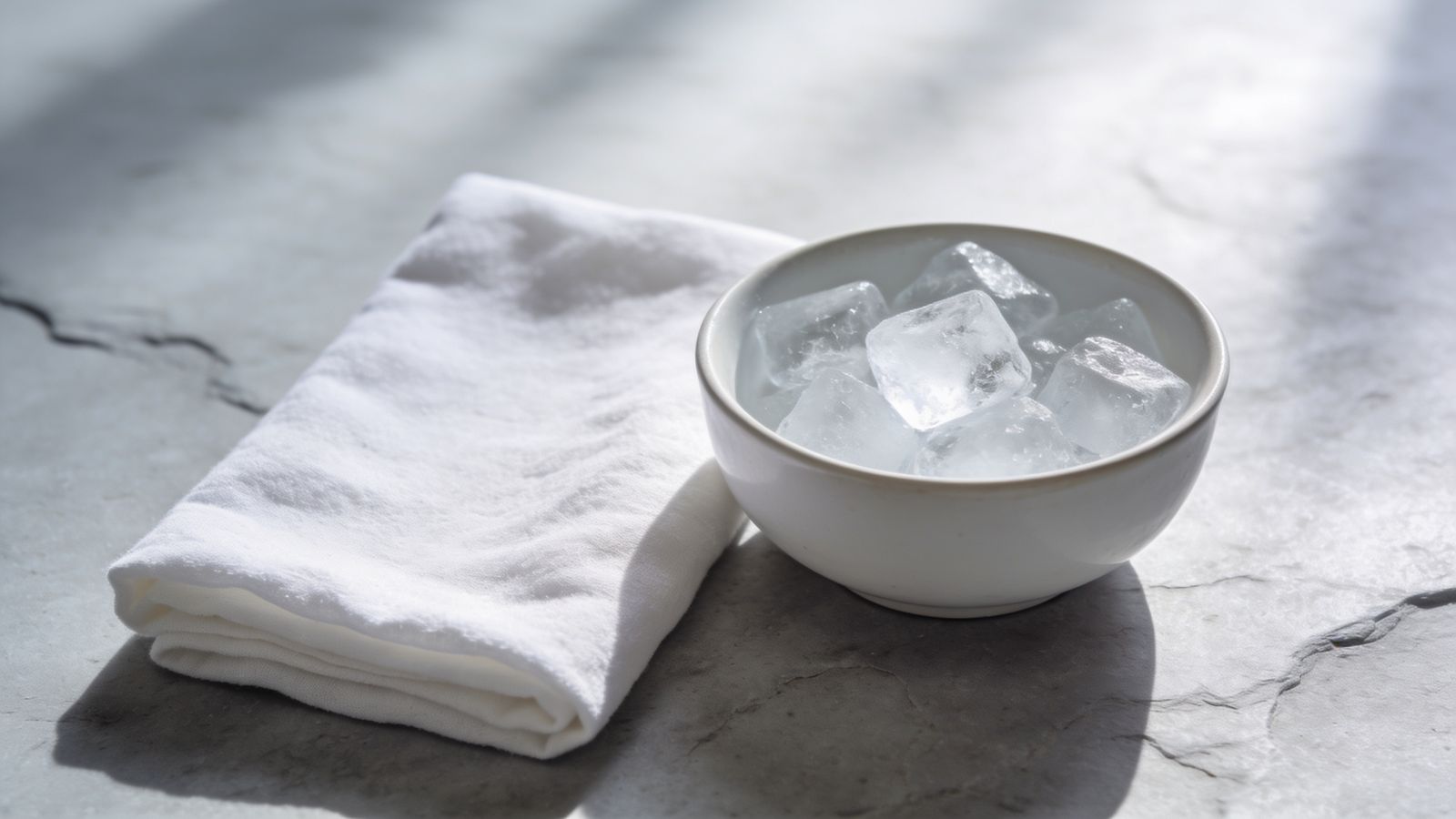
A few simple steps reduce damage while a medical plan is arranged. Wash twice a day with a gentle cleanser, and use a benzoyl peroxide wash or gel on affected areas if your skin tolerates it, starting every other day. Use a light, non-comedogenic moisturiser so the skin barrier holds up, and a daily sunscreen, because inflamed skin darkens more easily in the sun. A clean, cold compress for a few minutes eases the throbbing of a painful nodule.
Some popular habits do more harm than good. Squeezing, needling or “draining” a deep lump at home ruptures it further into the skin. Toothpaste, lemon, alcohol and other home remedies irritate the surface without reaching the inflammation. Thick oils, heavy make-up and frequent product switching add congestion and irritation. Steroid creams bought without a prescription can calm redness briefly but cause a rebound rash and should not be used on acne. Write down what you have tried and for how long; it saves time at the consultation.
What does medical treatment for cystic acne involve, including isotretinoin?
Nodular acne is treated from the inside as well as the outside, because the inflammation is too deep for creams alone. A simplified overview of the options, all decided case by case:
| Treatment | What it acts on | Time to judge it | Key caution |
|---|---|---|---|
| Topical retinoid with benzoyl peroxide | Blocked follicles, bacteria | 8–12 weeks | Dryness and stinging at first |
| Oral antibiotic (prescription) | Bacteria, inflammation | 6–12 weeks | Limited course to limit resistance |
| Hormonal treatment (prescription) | Androgen effect on oil glands | About 3 months | Women only; medical checks first |
| Oral isotretinoin (prescription) | Oil glands, all four drivers | Course of months | Monitoring; no pregnancy |
Topical treatment continues alongside oral medicine and afterwards to maintain control. Oral antibiotics are not used on their own for long periods, because resistance develops and acne returns when they stop. For women whose acne follows a hormonal pattern, hormonal options are discussed with the gynaecologist or GP where appropriate. When acne is severe, scarring, or keeps returning despite these steps, isotretinoin is usually considered.
Isotretinoin is a prescription medicine derived from vitamin A. It shrinks the oil glands, reduces sebum, normalises how follicle cells shed and lowers inflammation, so it acts on all four drivers of acne. For severe and scarring acne it is the most studied option, and many people stay clear for long periods after a course, though some need a second course.
It needs medical supervision. Dry lips, dry skin and dry eyes are almost universal, and nosebleeds, muscle aches and sun sensitivity are common. Blood tests check liver function and blood fats. It must not be taken in pregnancy because it causes serious birth defects, so women who could become pregnant use reliable contraception before, during and for a period after the course. Mood is monitored, and any low mood or unusual thoughts should be reported straight away. Dose and duration are individual.
People on isotretinoin often ask about lasers and peels. The 2017 consensus reviews found no good evidence for an automatic six to twelve month wait for most procedures, but fully ablative resurfacing and mechanical dermabrasion are still avoided during and soon after a course. See isotretinoin and procedures.
Where do lasers, peels and injections fit?
In-clinic treatment supports medical care; it does not replace it. A painful, isolated nodule before an important event can be injected with a small dose of dilute corticosteroid, a prescription medicine, which often settles it within a few days. The dose is kept low because too much can leave a temporary dip in the skin.
Light-based treatment can calm inflammation and redness while medicines take effect. At IN Eternity Clinic, the options include the 675 nm Shaonu Guang (少女光) laser and R2 Glow; see acne laser treatment. Blackheads and whiteheads around the nodules can be cleared with a Hydrafacial or a salicylic acid peel. Deep nodules themselves are never squeezed or extracted.
How do you prevent and treat scars from cystic acne?
The most useful scar prevention is controlling nodular acne early. Once breakouts have settled, two different things may be left behind. Brown or red marks are pigment and dilated vessels; they fade over months, faster with sun protection and, if needed, laser. Indented or raised scars are structural and do not fade by themselves.
Indented scars are treated with a combination of subcision, TCA CROSS, RF microneedling and fractional CO2, chosen by scar type; see acne scar treatment. Scar work usually starts once acne is controlled, so new scars are not forming during the course. Raised scars on the chest and shoulders are flattened rather than resurfaced.
What happens at an acne assessment?
Dr Sin Yong examines the pattern and depth of the acne, asks about previous treatments, medicines, periods and family history, and checks for lookalikes such as fungal folliculitis or rosacea. Standard photographs are taken so progress can be judged fairly. You leave with a written plan covering skincare, any prescription medicine and its monitoring, and when in-clinic treatment or scar work fits in. The consultation fee is waived with any medical treatment.
What causes cystic acne, who it affects and how long treatment takes
What causes cystic acne?
Cystic acne forms when blocked pores become deeply inflamed, creating painful lumps under the skin. Hormones, especially androgens, increase oil production; genetics play a strong role; and bacteria and inflammation drive the deep swelling. Friction, heavy skincare and some medicines can make it worse.
Who should treat cystic acne?
Because cystic acne often scars, it should be treated early by a doctor. Treatment usually needs prescription medicine such as oral antibiotics, hormonal treatment for some women, or isotretinoin for severe or scarring acne, alongside topical treatment. Painful single cysts can be calmed with a small steroid injection.
How long does cystic acne treatment take?
Most treatments take six to twelve weeks to show clear improvement, and isotretinoin is usually given for several months. Flares during the first weeks can happen. Scars are treated once acne is controlled, because active inflammation makes scar treatment less predictable. Results vary.
Frequently asked questions
How long do cystic pimples last?
Without treatment, a single cystic pimple can last from one to several weeks, and some leave a dark mark or scar for months. A doctor can settle a painful lump faster, for example with a diluted steroid injection, and prescribe treatment to prevent new ones. Ongoing cystic acne usually needs prescription medicine rather than skincare alone.
How do I know if a pimple is cystic?
A cystic pimple sits deep under the skin, feels like a firm, painful lump and is often larger than a pea. It may never come to a head, and it can last for weeks. Ordinary pimples are smaller and closer to the surface. Do not squeeze a cystic spot: that pushes inflammation deeper and raises the risk of scarring.
Why did I suddenly develop cystic acne?
Sudden cystic acne in adults is often linked to hormones (for example, stopping the pill, polycystic ovary syndrome or pregnancy), stress, heavy or pore-clogging skincare, some supplements such as whey protein, and certain medicines. Sometimes it is a flare of acne you were already prone to. If deep, painful lumps appear, see a doctor early, because cystic acne scars easily.
What causes cystic acne?
Cystic acne starts like ordinary acne, with oil and dead skin cells blocking a follicle and bacteria multiplying behind the plug. In cystic or nodular acne the follicle wall gives way deep in the dermis, its contents spill into surrounding tissue and the body mounts a much larger inflammatory response. Oil glands, hormones, bacteria and inflammation all drive it; it is not caused by dirty skin.
How do you get rid of cystic acne?
Cystic acne usually needs medical treatment, because the inflammation is too deep for pharmacy products alone. Options include a topical retinoid with benzoyl peroxide, a limited course of oral antibiotics, hormonal treatment in suitable women, and isotretinoin for severe or scarring acne, with monitoring. Each needs weeks to months to judge. Avoid squeezing, and see a doctor early if lumps recur or leave marks.
Does cystic acne go away on its own?
A single cyst usually settles over one to a few weeks, but cystic (nodular) acne as a pattern tends to keep coming back without treatment, and each deep lesion can leave a permanent scar. Because scars are harder to treat than acne itself, guidelines, including those written for South-East Asian patients, advise effective treatment early rather than waiting for it to pass.
What can be mistaken for cystic acne?
Several conditions can look similar: boils and other skin infections, inflamed epidermoid cysts, hidradenitis suppurativa in the armpits or groin, rosacea, and fungal (Malassezia) folliculitis, which is often treated as acne by mistake. Clues include a lump in an unusual place, one lump that keeps returning, fever, or no response to acne treatment. A doctor's examination, and sometimes a swab, sorts them out.
Can a cortisone injection help a cystic pimple?
Often, for a single painful nodule. A small dose of dilute corticosteroid, a prescription medicine, is injected into the lump by a doctor and often settles it within a few days, which can help before an important event. The dose is kept low because too much can leave a temporary dip in the skin. It treats one lesion; it does not replace a medical plan for ongoing acne.
Why do I get cystic acne on my chin and jaw?
In many adult women, deep acne along the jaw and chin follows a hormonal pattern, often flaring before a period. Blood hormone levels are frequently normal; the oil glands there react strongly to normal androgen levels. Irregular periods, new facial hair or scalp thinning are reasons to check for polycystic ovary syndrome with your GP or gynaecologist. Treatment is decided after assessment.
Is cystic acne hormonal?
Often, but not always. Androgens drive oil production in everyone, and in many adult women nodular acne follows a monthly pattern along the jaw and chin. Blood hormone levels are frequently normal, because the oil glands are reacting strongly to normal levels. Irregular periods, excess hair or scalp thinning are reasons to check for polycystic ovary syndrome.
Can I pop a cystic pimple?
No. Deep nodules have no easy route to the surface, and squeezing ruptures the follicle further into the dermis, prolonging inflammation and raising the risk of scars and dark marks. A cold compress can ease pain. If one lump is very painful or an event is coming, a doctor can inject it with a small dose of dilute corticosteroid.
How long does cystic acne treatment take to work?
Most medical treatments need eight to twelve weeks before they can be judged fairly, and topical treatments can cause dryness or a brief flare first. Isotretinoin is taken as a course over several months. A corticosteroid injection into a single nodule works within days but treats only that lesion, not the tendency to form new ones.
Is isotretinoin safe?
It is a well-studied prescription medicine that is safe for most people when properly supervised. Side effects such as dryness are common and expected. It must not be taken in pregnancy, so reliable contraception is essential for women who could conceive. Blood tests and mood are monitored during the course, and any concerns are reviewed promptly with your doctor.
How much does cystic acne treatment cost in Singapore?
Cost depends on whether prescription medicine is needed and which, the blood tests and reviews that go with it, whether in-clinic treatment such as laser or nodule injections is added, and whether scars are treated later. Dr Sin Yong explains the plan and its cost after assessment. The consultation fee is waived with any medical treatment.
Can cystic acne be cured?
It can usually be brought under control, and a course of isotretinoin gives long-lasting clearance for many people, although some need a second course or ongoing treatment. Hormonal acne in women may need longer-term care. Treating early matters most, because cysts are the type of acne most likely to leave scars.
Can adults get cystic acne?
Yes. Cystic acne is common in the twenties and thirties and can start for the first time in adulthood, especially in women, where it tends to sit on the jaw and chin and flare before periods. A doctor checks for hormonal causes and for medicines or products that can trigger it.
Can cystic acne be treated during pregnancy?
Some treatments can, many cannot. Isotretinoin, tetracycline antibiotics and topical retinoids are avoided in pregnancy. Gentler options such as azelaic acid, and some antibiotics chosen by your doctor, may be used. Planning treatment with your doctor, ideally before pregnancy, keeps both you and the baby safe.
Book an assessment
IN Eternity Clinic, 9 Scotts Road, #12-01 Pacific Plaza, Singapore 228210. By appointment with Medical Director Dr Sin Yong. Monday to Saturday, 11am to 8pm. WhatsApp or call +65 8815 3008.
International KOL — CLASSYS · HIRONIC · DEKA · ALMA · FOTONA · LUTRONIC
References
- Reynolds RV, Yeung H, Cheng CE, et al. Guidelines of care for the management of acne vulgaris. J Am Acad Dermatol 2024;90(5):1006.e1-1006.e30. doi:10.1016/j.jaad.2023.12.017
- Tan J, Thiboutot D, Gollnick H, et al. Development of an atrophic acne scar risk assessment tool. J Eur Acad Dermatol Venereol 2017;31(9):1547-1554. doi:10.1111/jdv.14325
- Layton A. The use of isotretinoin in acne. Dermatoendocrinol 2009;1(3):162-169. doi:10.4161/derm.1.3.9364
- Spring LK, Krakowski AC, Alam M, et al. Isotretinoin and Timing of Procedural Interventions: A Systematic Review With Consensus Recommendations. JAMA Dermatol 2017;153(8):802-809. doi:10.1001/jamadermatol.2017.2077
- Tan JKL, Bhate K. A global perspective on the epidemiology of acne. Br J Dermatol 2015;172 Suppl 1:3-12. doi:10.1111/bjd.13462
- Goh CL, Abad-Casintahan F, Aw DC, et al. South-East Asia study alliance guidelines on the management of acne vulgaris in South-East Asian patients. J Dermatol 2015;42(10):945-953. doi:10.1111/1346-8138.12993
- Chalupczak NV, Lipner SR. Malassezia folliculitis: an underdiagnosed mimicker of acneiform eruptions. J Fungi (Basel) 2025;11(9):662. doi:10.3390/jof11090662
These sources describe mechanisms and general evidence. They are not a promise of any individual result; suitability is decided at an in-person assessment.