Skip to content
Skin Concern2026-08-1812 min read

Pigmentation Concerns: Which Type Do You Have?

Pigmentation is not one condition. Sun-induced spots, melasma and post-inflammatory marks form through different mechanisms and sit at different depths — which is why one treatment does not resolve all of them.

In short: hyperpigmentation treatment in Singapore starts by naming the type, because melasma, sun spots, freckles and post-acne marks each respond to a different skin pigmentation treatment.

In short

Pigmentation treatment in Singapore works when the type is identified first. Sun spots and freckles usually respond to pico or Q-switched laser. Melasma needs sun and heat control, creams such as azelaic acid or a supervised hydroquinone course, sometimes oral tranexamic acid, with low-energy laser toning in a supporting role. Marks after acne fade once the cause is settled. Settings are matched to Asian skin to avoid rebound darkening. Pigment with redness: R2T2 laser.

Reviewed by Dr Sin Yong, Medical Director, IN Eternity Clinic · Updated

Consultations in English and Mandarin (面诊可使用英语或华语). This page is also available in: 中文.

Key facts
  • Three main types: Sun spots and freckles, melasma, and post-inflammatory hyperpigmentation (PIH)
  • Depth: Epidermal pigment usually responds faster; dermal pigment is more persistent and needs energy that reaches it
  • Pico and Q-switched lasers: Very short pulses break pigment into fragments that the body clears; they do not bleach the skin
  • Melasma: Driven by UV, visible light, heat and hormones; managed over time and prone to recurrence
  • PIH risk: Skin types III–V, common in Singapore, can darken after over-aggressive settings, so energy is matched to skin type
  • Sun protection: Daily broad-spectrum sunscreen is part of every plan; without it, treated pigment tends to return
  • Creams: hydroquinone is a supervised, limited-course medicine in Singapore; azelaic acid, tranexamic acid and retinoids are alternatives
  • Consultation: S$120, waived with any medical treatment
  • Assessed by: Medical Director Dr Sin Yong at IN Eternity Clinic, 9 Scotts Road
What the research says
  • A review of melasma describes it as common and hard to treat, driven by female hormones on a predisposed genetic background as well as sun (Pigment Cell Melanoma Res 2018)
  • A review of Asian skin (types III–V) notes that although melanin gives better sun protection, pigment problems such as melasma, freckles and sun spots are common (Am J Clin Dermatol 2009)
  • A comprehensive review describes melasma as a common pigment disorder triggered or worsened by sun and hormones, with much of its cause still being studied (J Am Acad Dermatol 2011)
Figures taken from the published abstracts, checked against PubMed · Reviewed by Dr Sin Yong, Medical Director ·
East Asian woman in her thirties with even, natural skin tone in soft daylight, representing pigmentation treatment at IN Eternity Clinic, Singapore

Key points:

  • Pigment can sit in the epidermis (more treatment-responsive) or the dermis (more persistent)
  • Melasma is hormonally influenced and prone to recurrence — it is managed, not cured
  • Post-inflammatory hyperpigmentation can be triggered by treatment itself if settings are not matched to skin type

Why Pigmentation Is Not One Problem

Melanocytes overproduce pigment in response to several different triggers — UV exposure, inflammation, and hormonal signalling among them. Because the triggers differ, so does the appropriate response. A treatment that clears sun spots effectively may do little for melasma, and an overly aggressive approach can worsen pigmentation in melanin-rich skin by triggering a post-inflammatory response.

How Depth Changes the Answer

Epidermal pigment sits close to the surface and generally responds more readily. Dermal pigment sits deeper and needs energy that reaches that layer without excessive surface disruption. Assessment establishes which you have before any treatment is selected.

Where pigment sits in the skin: epidermal pigment such as sun spots and freckles, dermal pigment such as Hori's naevus, and mixed pigment as in melasma
Pigment depth predicts how quickly it lightens and how much caution laser needs. Simplified illustration, not to scale.

Treatments Used at IN Eternity Clinic

Depending on assessment, pigmentation may be addressed with pico laser for pigment fragmentation, R2 Glow Laser for brightening and toning, or a combined protocol. How each type is told apart is set out in pigmentation types explained.

What Matters More Than the Device

Fitzpatrick skin type directly changes which settings are safe and effective. In a population spanning a wide range of skin tones, matching the wavelength and energy to your specific skin is what separates a good outcome from a worsened one.

“Melasma is managed, not erased. A plan that promises to clear it for good has misread what melasma is.”
— Dr Sin Yong, Medical Director, IN Eternity Clinic

Frequently Asked Questions

Can pigmentation be permanently removed?+

Sun-induced pigmentation often responds well and can stay clear with sun protection. Melasma is hormonally influenced and tends to recur, so it is managed over time rather than permanently resolved.

Why did my pigmentation worsen after treatment?+

This can occur when treatment triggers inflammation, which can cause post-inflammatory hyperpigmentation — a particular risk in melanin-rich skin when settings are not appropriately calibrated.

How many sessions are needed?+

This depends on pigment type, depth and severity, and is reviewed as treatment progresses rather than fixed at the outset.

Why does pigmentation seem worse in Singapore?+

Year-round UV, strong visible light and heat all stimulate pigment cells, and heat in particular aggravates melasma. Many people in Singapore also have skin types III to V, which react to inflammation with more pigment. Sun protection, heat avoidance and settings matched to skin type matter as much as the device.

Can pigmentation be treated during pregnancy?+

Most laser and prescription pigment treatment is postponed until after pregnancy and breastfeeding. Pregnancy often darkens melasma, and some of that settles afterwards. In the meantime, sun protection and pregnancy-safe skincare are used, and the plan is reassessed after delivery.

Does pigmentation come back after laser?+

It depends on the type. A treated sun spot does not usually return in the same place, though new spots can form with sun exposure. Melasma tends to recur, especially with heat and hormones, so it needs maintenance. Post-inflammatory marks fade once the inflammation that caused them is controlled.

Find your pigment

Which type of pigmentation do I have?

TypeTypical cluesRead more
Sun spots / age spots (solar lentigines)Sharp edges, stable all year, on sun-exposed skinSun spots and age spots
Freckles (ephelides)Small, since childhood, darker in sun and lighter without itFreckles
MelasmaSymmetrical patches on cheeks, forehead or upper lip; worse with hormones and heatMelasma
Post-inflammatory marksFollow acne, a burn, friction or a procedurePost-inflammatory pigmentation
Dark lipsDiffuse or patchy darkening of the lipsLip pigmentation
Dark underarmsLinked to friction, shaving or hair-removal habits; occasionally a medical signUnderarm pigmentation

A single spot that is new, changing, irregular in colour or border, or different from the rest is examined before any cosmetic treatment. Pigmented moles are covered on the mole removal page, and every pigment type is explained in plain language on the conditions index.

By type

Pigmentation treatment by type: what usually works for each

Each type of pigment has its own first step. The table links to the page that covers each one in detail.

Typical courses vary with depth, skin type and how well triggers are controlled.
TypeFirst stepIn-clinic options at IN Eternity ClinicTypical courseRead more
Sun spots and age spotsDaily sunscreen; check any spot that looks differentPicosecond or Q-switched laser (Fotona StarWalker PQX, DEKA TORO)Often one to a few sessionsAge spot removal
FrecklesSun protection, because the tendency is geneticPico or Q-switched laserFew sessions; new freckles appear with sunFreckles
MelasmaSun, visible-light and heat control; trigger reviewTopical plan, oral tranexamic acid after a clotting review, cautious low-fluence laser toningMonths, then maintenanceMelasma treatment
Post-inflammatory marksTreat the acne, rash or irritation causing themTopicals, gentle toning or peels once the skin is calmWeeks to monthsAcne marks and PIH
Dark lipsConsider sun, smoking, friction and medicinesPigment laser at settings for lip skinSeveral sessionsLip pigmentation
Dark underarmsReduce friction, shaving and irritationLaser and topical care after assessmentSeveral sessionsUnderarm pigmentation
Methods compared

Pico laser, laser toning, peels or creams: how they differ

The four main tools work at different depths and speeds. Most plans use more than one, in sequence.

Methods and settings are chosen after assessment. Prescription medicines are prescribed only after assessment.
MethodHow it worksSuitsDowntimeAt IN Eternity Clinic
Picosecond laserUltra-short pulses shatter pigment mainly by pressure, with little heatDiscrete spots, freckles, deeper pigment, tattoo inkSmall dark crusts for about a week on treated spotsLaser for pigmentation in Singapore
Low-fluence laser toningGentle 1064 nm Q-switched passes repeated across a courseDiffuse uneven tone; cautious support in melasmaUsually a few hours of rednessLaser toning
Chemical peelsControlled exfoliation that sheds surface pigmentSuperficial pigment, dullness, some acne marksFlaking for a few days, depending on depthChemical peels
CreamsSlow pigment production (hydroquinone, azelaic acid, tranexamic acid, retinoids)Melasma, post-inflammatory marks, maintenancePossible dryness or irritationWhen creams stop working
Oral tranexamic acidActs on vascular and inflammatory signals that drive melasmaStubborn melasmaNone; it is a prescription medicine with a clotting-risk reviewMelasma options compared

The order matters as much as the choice. Melasma treated with strong laser alone often rebounds darker, while a sun spot treated with creams alone barely changes. The detailed comparison of pulse types is in pico vs Q-switched vs laser toning.

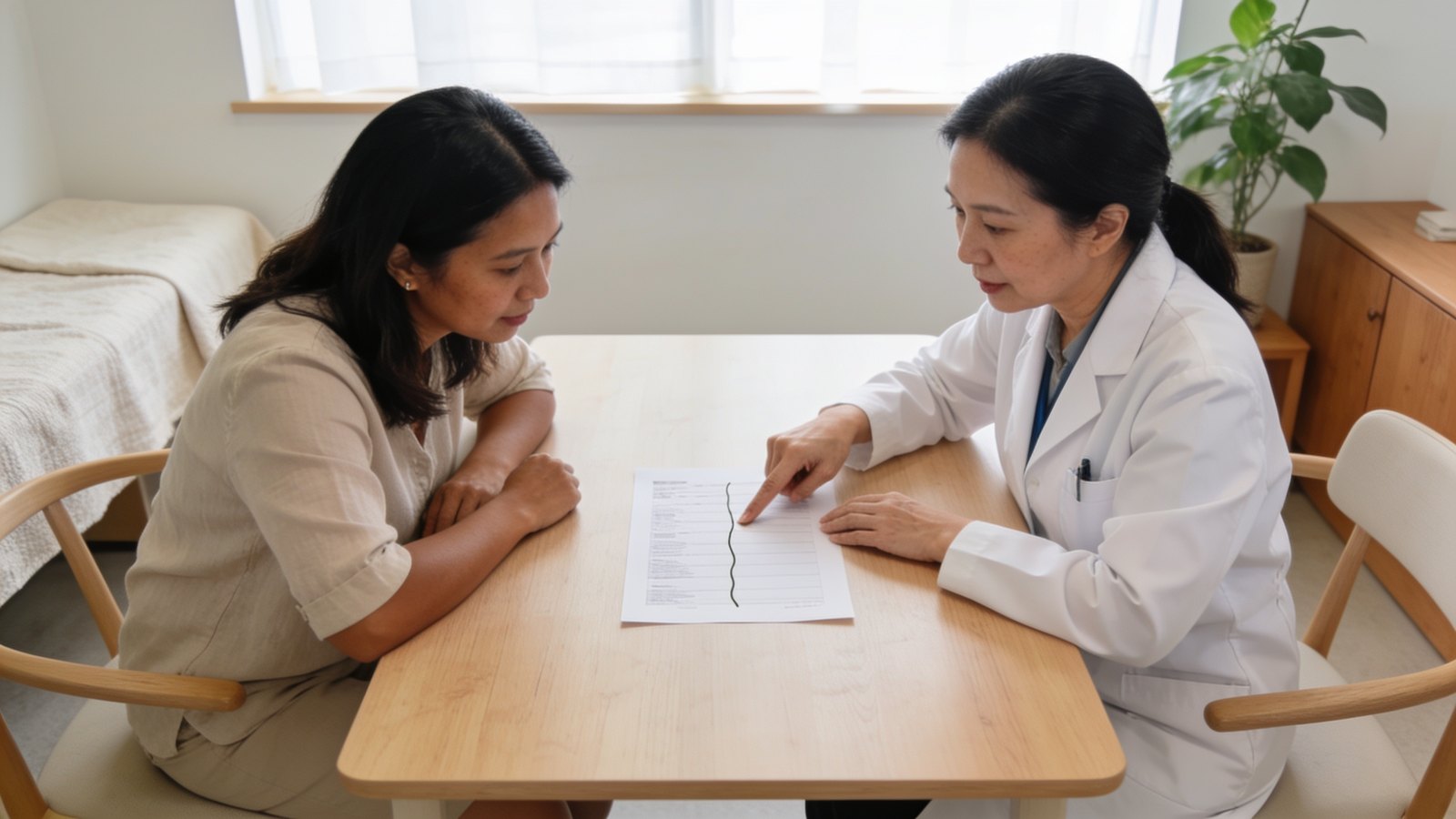
A woman and a doctor looking together at a printed skin plan during a pigmentation consultation, both heads fully in frame – hyperpigmentation treatment plan in Singapore
Illustrative image. Not a patient of IN Eternity Clinic.
Creams

Hydroquinone and other creams: where they fit

Creams act on how much pigment is made in the upper skin, so they suit melasma and post-inflammatory marks better than discrete spots. Hydroquinone is the most studied; in Singapore, HSA treats it as a potent ingredient of prescription medicines that is prohibited in cosmetic skincare and should only be used under strict medical supervision. It is used in limited courses, because long unsupervised use can cause a blue-grey darkening called ochronosis.

Azelaic acid, tranexamic acid, cysteamine, retinoids and niacinamide are alternatives or maintenance options. The medical options for melasma are compared in melasma: laser vs tranexamic acid vs skincare, and if a cream has stopped working, when pigmentation creams stop working explains the usual reasons.

Treatments

Pigmentation treatments used at IN Eternity Clinic

Pico laser for pigmentation explains how picosecond pulses break pigment mainly by pressure rather than heat, and which spots suit it. IN Eternity Clinic uses two picosecond platforms: the Fotona StarWalker PQX and the DEKA TORO (T2 Frax Radiance, which pairs pigment pulses with a thermal pulse aimed at collagen). R2 Glow brightening runs on a third device, the Lutronic Clarity II.

Laser toning uses low-fluence 1064 nm Q-switched Nd:YAG repeated over a course, for diffuse uneven tone and, cautiously, as part of melasma care. Melasma treatment covers the medical side, including oral tranexamic acid (a prescription medicine) after a review of clotting risk. Chemical peels suit some superficial pigment and dullness, and the Luminescence Laser Lift is used where tone and texture are treated together. Tattoo ink, including old brow embroidery, is handled separately on tattoo removal; new brows are covered on eyebrow embroidery.

Compare

Comparisons and guides for pigmentation

If you are weighing options, these guides set out the trade-offs plainly: pico vs Q-switched vs laser toning, melasma: laser vs tranexamic acid vs skincare, laser toning vs chemical peel and PicoSure vs PicoWay vs StarWalker.

For the wider picture, read pigmentation types explained, the melasma guide, when pigmentation creams stop working and what affects pico laser pricing.

Skin type and climate

Darker skin, hormones and Singapore sun

Pigment cells in darker skin react more readily to heat and injury, so settings are matched to Fitzpatrick type; laser care for darker skin tones explains test spots and wavelength choice. Year-round UV and heat in Singapore keep melasma active, which is why sun and heat control is part of every plan (Singapore climate and your skin). Pigment that appeared during pregnancy is covered in the after-pregnancy hub, and what can be treated while pregnant or breastfeeding is on the pregnancy and breastfeeding safety page.

Sessions and recovery

How many sessions, and what recovery looks like

  • Sun spots: often clear or lighten noticeably over one to a few laser sessions; each treated spot darkens and flakes over about a week.
  • Freckles: lighten over a few sessions; they return with sun because the tendency is inherited.
  • Melasma: improvement is measured over months, combining creams, sun and heat control and sometimes oral medication, with gentle laser toning at intervals. Maintenance continues.
  • Post-inflammatory marks: fade over weeks to months once the cause is controlled; gentle treatment can speed this, aggressive treatment can prolong it.

Progress is reviewed on photographs in the same light. Daily broad-spectrum sunscreen is part of every plan; in Singapore’s year-round UV, treated pigment without sun protection tends to come back.

At assessment

What Dr Sin Yong looks for

  • The pattern. Symmetrical patches on the cheeks, forehead or upper lip suggest melasma; sharp-edged spots on sun-exposed skin suggest sun spots; marks in the place of old acne suggest post-inflammatory pigment.
  • The depth. Brown pigment tends to be near the surface; grey-blue suggests deeper pigment, which changes the method and the number of sessions.
  • Skin type and past reactions. Previous darkening after laser, peels or waxing means gentler settings and test spots.
  • Triggers still running. Daily sun exposure, heat at work or exercise, hormonal contraception, pregnancy plans.
  • What has been applied. Prescription and online lightening creams, including how long they were used.
  • Any spot that looks different. A new, changing or irregular spot is examined before any cosmetic treatment.

General clinical observations used at consultation; they describe what is checked, not any individual result.

When this is not cosmetic

When pigmentation is not cosmetic: signs to have checked

Most pigmentation is harmless. These signs need a medical assessment first, and sometimes a biopsy.

  • A spot that is new, changing, irregular in shape or colour, bleeding or itching, or one that looks unlike your other spots: it is examined before any laser, which could otherwise hide the signs.
  • A new dark streak in a fingernail or toenail: seen by a doctor promptly.
  • Velvety darkening of the neck, armpits or groin: possible acanthosis nigricans, linked to insulin resistance; investigated rather than lightened.
  • Generalised darkening of the skin or gums with tiredness, weight loss or dizziness: a hormonal cause is ruled out by a doctor.
  • Pigment that appeared after starting a new medicine: reviewed with the prescribing doctor.
  • Blue-grey or speckled darkening after long use of a lightening cream: possible ochronosis; the cream is stopped.

Where any of these apply, a diagnosis comes first; cosmetic treatment can follow once the cause is clear.

A woman in her thirties in a wide-brimmed hat walking under shady trees on a bright Singapore morning, her whole head and face in frame
Illustrative image. Not a patient of IN Eternity Clinic.
Cost

How much does pigmentation treatment cost in Singapore?

Cost depends on the type of pigment, the area, the methods used and how many sessions and maintenance visits are needed. A few sun spots and a long-standing melasma plan are very different undertakings. What drives the total is set out in pigmentation removal cost in Singapore; at IN Eternity Clinic the plan and its cost are given after assessment, and the consultation fee of S$120 is waived with any medical treatment.

What changes the total. The table below sets out what moves the cost up or down, and the questions worth asking before any quote. Your plan and cost are set at consultation (S$120, waived if you go ahead with treatment the same day).

PigmentUsual approachTypical course
Sun spots / age spotsPicosecond or Q-switched spot treatmentOne to three sessions
FrecklesLight spot treatment, sun careOne or two sessions; recurs with sun
MelasmaMedical care, protection, gentle toningMonths, then maintenance
Post-inflammatory marksSettle the cause, topical care, gentle laserSeveral sessions if needed
Hori’s naevusLonger wavelengths reaching the dermisSeveral sessions, months apart
Seborrhoeic keratosisSuperficial resurfacingOften one session per lesion
At a glance

How pigmentation is diagnosed, the outlook and prevention

How is pigmentation diagnosed?

The type is identified first, because treatment differs. Examination under good light, a magnifying dermatoscope and sometimes a Wood’s lamp show whether pigment is superficial, deep or mixed, and separate sun spots, freckles, melasma, Hori’s naevus and marks after acne. Medicines, hormones and skin conditions that can cause darkening are also reviewed.

Does pigmentation go away?

Some marks after acne or injury fade over months on their own. Sun spots and freckles can be cleared with treatment but new ones may form. Melasma is long-term and tends to return with sun, heat and hormones, so it is controlled rather than cured. Deeper pigment such as Hori’s naevus needs a course of laser.

How can pigmentation be prevented?

Daily broad-spectrum sunscreen of SPF 30 or more, reapplied when outdoors, plus hats and shade, is the single most useful step in Singapore’s sun. Avoid picking spots, treat acne early to reduce marks, and be cautious with harsh scrubs. Tinted sunscreen with iron oxides also helps protect against visible light that can worsen melasma.

Questions

Frequently asked questions about pigmentation

What does skin pigmentation mean?

Skin pigmentation is the colour your skin gets from melanin. When people talk about pigmentation as a problem, they usually mean hyperpigmentation: darker patches or spots where melanin is overproduced or deposited, such as sun spots, freckles, melasma and marks after acne. Lighter patches (hypopigmentation) are also pigmentation problems and have different causes.

Which treatment works for hyperpigmentation?

It depends on the type. Sun spots and freckles often respond to pico or Q-switched laser. Melasma needs a gentler plan: strict sun protection, prescription creams and low-energy laser, because strong laser can make it worse. Post-acne marks usually fade with creams, peels and time. A doctor should confirm the diagnosis first, since some pigment, such as Hori's naevus, sits deeper.

What does hyperpigmentation treatment involve in Singapore?

Hyperpigmentation treatment starts by naming the type, because melasma, sun spots, freckles and post-acne marks sit at different depths and respond to different things. Depending on the type, Dr Sin Yong may combine pico laser, laser toning, peels and prescription creams with daily sun protection, reviewing progress every few weeks. Results vary.

What is hyperpigmentation, and how is it treated in Singapore?

Hyperpigmentation means patches of skin darker than the skin around them, caused by extra melanin. Common types are melasma, sun spots, freckles and marks left after acne or irritation. Treatment depends on the type: daily sun protection and medical creams for most, with laser toning or pico laser added where that type responds. Melasma is treated gently, because aggressive laser can make it darker. Results vary.

What is the main cause of hyperpigmentation?

Extra melanin is the common end point, but the trigger varies. In Singapore the usual causes are sun exposure (sun spots and freckles), hormones combined with UV and heat (melasma), and inflammation from acne, eczema, injuries or harsh treatments (post-inflammatory hyperpigmentation). Some medicines and, less often, medical conditions also darken the skin, so the type is identified before any treatment.

Can pigmentation be removed permanently?

Sun spots and freckles that are cleared can stay away with strict sun protection, though new ones can form. Melasma is a chronic condition that is controlled rather than cured and can return with sun or hormones. Results vary between people.

Does hyperpigmentation go away on its own?

Some does. Marks left by acne or a rash often fade over months if the skin is protected from sun and further irritation, although deeper marks can take a year or longer. Sun spots, freckles and melasma usually persist or return without treatment and sun protection. A dark patch that is new, changing, irregular or bleeding should be checked by a doctor.

Is vitamin C good for hyperpigmentation?

It can help, mainly as prevention. Topical vitamin C reduces melanin production and protects against some UV damage, and a pooled analysis of 31 controlled trials found it limited new UV-induced pigmentation, while its effect on existing dark spots is modest. It works slowly, some forms irritate sensitive skin, and it does not replace sunscreen or medical treatment for melasma or deeper pigment.

Which pigmentation treatment in Singapore do I need?

The pigmentation treatment used in Singapore depends on the type: picosecond laser for sun spots and freckles, strict sun protection with creams and cautious laser for melasma, gentler laser for post-acne marks. The type is diagnosed first at IN Eternity Clinic.

How much does pigmentation treatment cost?

Cost depends on the pigment type, the size of the area, which laser or medical treatment is used and how many sessions are needed. Melasma usually needs a longer plan with maintenance than a few sun spots do. Dr Sin Yong gives a written quote after assessment, with no obligation to book on the day.

What is the difference between age spots and sun spots?

They are the same thing. Age spots, sun spots and liver spots are everyday names for solar lentigines: flat, sharply edged brown spots caused by years of UV exposure. Unlike freckles they do not fade with less sun, and unlike melasma they are not symmetrical patches. They usually respond well to pigment laser.

Can freckles be removed?

Freckles can be lightened with pico or Q-switched laser, often in one or a few sessions. The tendency to freckle is genetic, though, so new freckles appear with sun exposure. Daily broad-spectrum sunscreen and shade are what keep the result. A freckle that looks different from the others is checked before any treatment.

Is pico laser always the right choice over laser toning?

No. Picosecond laser suits discrete spots such as solar lentigines and some freckles. Low-fluence laser toning suits diffuse uneven tone and is sometimes used cautiously in melasma. The choice depends on pigment type, depth and skin type, and some plans use both at different stages.

What can be done for dark lips?

It depends on the cause: sun, smoking, friction, some medicines, genetics or an old lip tattoo. Once a medical cause has been considered, pigment laser can lighten lip pigmentation over several sessions, with settings chosen for the thin lip skin. Balms that claim to bleach the lips rarely change deeper pigment. The lip pigmentation page covers this in detail.

How do I remove hyperpigmentation?

Start by finding out which type it is, because each has its own first step. Sun spots and freckles usually respond to pico or Q-switched laser. Melasma needs sun and heat control and creams such as azelaic acid, sometimes oral tranexamic acid, with low-energy laser toning only in a supporting role. Marks left after acne often fade with creams and time once the cause is controlled. Daily sunscreen protects any result, and Dr Sin Yong confirms the type at assessment.

How much does it cost to get rid of hyperpigmentation?

It depends on the type of pigment, the area, the treatment and how many sessions are needed. A few sun spots may clear in one or two laser sessions, while melasma or widespread uneven tone needs a longer plan with skincare and maintenance. An estimate is given after the pigment is diagnosed. The consultation fee at IN Eternity Clinic is S$120, waived with any medical treatment.

How do Koreans treat hyperpigmentation?

Korean clinics often use low-energy laser toning in a series of sessions, pico lasers for spots, and skin boosters to support the skin barrier, alongside strict daily sunscreen and brightening skincare such as niacinamide and tranexamic acid. The emphasis is on gentle, repeated treatment rather than aggressive sessions, which suits Asian skin. The same approach is adapted here after diagnosing the pigment type.

How can I get rid of pigmentation quickly?

Some spots, such as freckles and sun spots, can clear within weeks after one or two targeted laser sessions. Melasma and widespread uneven tone cannot be rushed: aggressive treatment can make them darker. Daily broad-spectrum sunscreen starts helping straight away and protects any result. The quickest safe route depends on the type of pigment, so diagnosis comes before treatment.

Book an assessment

IN Eternity Clinic, 9 Scotts Road, #12-01 Pacific Plaza, Singapore 228210. By appointment with Medical Director Dr Sin Yong. Monday to Saturday, 11am to 8pm. WhatsApp or call +65 8815 3008. The consultation fee is waived with any medical treatment.

WhatsApp to Enquire →Call +65 8815 3008

References

  1. Sheth VM, Pandya AG. Melasma: a comprehensive update: part I. J Am Acad Dermatol 2011;65(4):689-697. doi:10.1016/j.jaad.2010.12.046
  2. Kasai K. Picosecond Laser Treatment for Tattoos and Benign Cutaneous Pigmented Lesions (Secondary publication). Laser Ther 2017;26(4):274-281. doi:10.5978/islsm.17-RE-02
  3. Davis EC, Callender VD. Postinflammatory hyperpigmentation: a review of the epidemiology, clinical features, and treatment options in skin of color. J Clin Aesthet Dermatol 2010;3(7):20-31. PMID 20725554
  4. Wattanakrai P, Mornchan R, Eimpunth S. Low-fluence Q-switched neodymium-doped yttrium aluminum garnet (1,064 nm) laser for the treatment of facial melasma in Asians. Dermatol Surg 2010;36(1):76-87. doi:10.1111/j.1524-4725.2009.01383.x
  5. Passeron T, Picardo M. Melasma, a photoaging disorder. Pigment Cell Melanoma Res 2018;31(4):461-465. doi:10.1111/pcmr.12684
  6. Ho SGY, Chan HHL. The Asian dermatologic patient: review of common pigmentary disorders and cutaneous diseases. Am J Clin Dermatol 2009;10(3):153-168. doi:10.2165/00128071-200910030-00002
  7. Sheth VM, Pandya AG. Melasma: a comprehensive update: part II. J Am Acad Dermatol 2011;65(4):699-714. doi:10.1016/j.jaad.2011.06.001
  8. Taraz M, Niknam S, Ehsani AH. Tranexamic acid in treatment of melasma: a comprehensive review of clinical studies. Dermatol Ther 2017;30(3):e12465. doi:10.1111/dth.12465
  9. Health Sciences Authority. HSA alert: 18 cosmetic products detected to contain potent undeclared ingredients including high levels of mercury (20 April 2018). States that hydroquinone and tretinoin are potent ingredients used in prescription medicines, are prohibited in skincare cosmetic products and should only be used under strict medical supervision. hsa.gov.sg
  10. Singapore Medical Council. Guidelines on Aesthetic Practices for Doctors (2016 edition). healthprofessionals.gov.sg/smc
  11. Al-Niaimi F, Chiang NYZ. Topical vitamin C and the skin: mechanisms of action and clinical applications. J Clin Aesthet Dermatol 2017;10(7):14-17. PMID 29104718
  12. De Dormael R, Bastien P, Sextius P, et al. Vitamin C prevents ultraviolet-induced pigmentation in healthy volunteers: Bayesian meta-analysis results from 31 randomized controlled versus vehicle clinical studies. J Clin Aesthet Dermatol 2019;12(2):E53-E59. PMID 30881584
  13. Boghosian T, Mendez H, Boghosian N, et al. Clinical applications of vitamin C in dermatology: a systematic review. J Clin Aesthet Dermatol 2026;19(7):10-15. PMID 42761976

These sources describe mechanisms and general evidence. They are not a promise of any individual result; suitability is decided at an in-person assessment.

WhatsApp us