
Sylfirm X Singapore vs Standard RF Microneedling: What Is the Difference?
Sylfirm X is known for a pulsed-wave mode used in melasma and redness. Dr Sin Yong explains how it works, what the evidence shows, and how these concerns are treated at IN Eternity Clinic on Orchard Road. For the treatment itself, see RF microneedling at IN Eternity.
WhatsApp to Enquire →Key facts ↓Sylfirm X is a Korean RF microneedling platform with two modes: a continuous-wave mode for collagen, like other RF microneedling, and a pulsed-wave mode of very short RF bursts aimed at the small abnormal vessels and damaged basement membrane seen in melasma and redness. Small studies are encouraging but limited.
On this page
Sylfirm X in Singapore: a comparison
Sylfirm X is offered by a number of clinics in Singapore, and searches for it have grown as people with melasma look for something beyond creams and laser toning. This guide explains what the device does, what the studies show, what a course involves and how it compares with the other treatments IN Eternity Clinic uses, so that a decision can be made on the mechanism rather than the name.
- What Sylfirm X is: a Korean bipolar RF microneedling platform with a continuous-wave mode and a pulsed-wave mode.
- Continuous wave: sustained RF heating around the needle tips, used like other RF microneedling for scars, pores and texture.
- Pulsed wave: very short bursts of RF intended to coagulate small abnormal vessels selectively with less spread of heat.
- Why vessels matter in melasma: melasma skin often shows more small blood vessels and signals from the dermis that keep pigment cells active.
- The basement membrane: the thin layer between epidermis and dermis is often damaged in melasma, letting pigment drop into the dermis.
- Evidence: small studies, mostly from Korea, report improvement in melasma and redness indices; larger controlled trials are limited.
- Melasma is chronic: any procedure sits within sun protection, skincare and sometimes oral treatment; relapse is common.
- At IN Eternity Clinic: pigment typing first, then options such as Sylfirm X, gentle picosecond toning, 675 nm RedTouch Pro, Secret Duo and medical treatment.
- A review of melasma describes it as common and hard to treat, driven by female hormones on a predisposed genetic background as well as sun (Pigment Cell Melanoma Res 2018)
- A review of RF microneedling found it allows more effective treatment with minimal downtime, with several studies supporting low risk even in dark skin types (Facial Plast Surg Clin North Am 2019)
- A comprehensive review describes melasma as a common pigment disorder triggered or worsened by sun and hormones, with much of its cause still being studied (J Am Acad Dermatol 2011)
- The main pulsed-RF study: 44 people with melasma or Riehl melanosis had five sessions two weeks apart; most improved and redness and melanin readings fell, with follow-up of eight weeks after the last session. (Source: Park 2022)
- Adding RF microneedling to toning: in a retrospective study, 56 people given fractional RF microneedling with low-fluence toning improved more than 58 given toning alone, with less rebound and fewer pale spots. (Source: Kwon 2019)
- Why rebound matters: in 22 Asian patients given five weekly low-fluence toning sessions, melasma lightened, but 4 developed rebound darkening and the benefit was temporary. (Source: Wattanakrai 2010)
- Pico laser for comparison: pooled data on 200 Asian patients treated with picosecond lasers for pigment found about half rated excellent at three months. (Source: Dong 2021)
What is Sylfirm X?
Sylfirm X is an RF microneedling platform developed in Korea. Like other RF microneedling devices, it inserts fine needles into the skin and passes radiofrequency current between them to heat the tissue. What sets it apart is that it offers two ways of delivering that current.

In continuous-wave mode, current flows for a sustained period at each insertion, creating zones of thermal coagulation that remodel collagen. This is how most RF microneedling works, and it is used for acne scars, pores and texture. In pulsed-wave mode, the energy is delivered as a train of very short pulses. The intention is to heat small targets, particularly fine abnormal blood vessels in the upper dermis, while limiting the spread of heat to surrounding tissue. This is why the platform has become associated with melasma, persistent redness and sensitive, reactive skin, conditions in which conventional heat-based treatments can make things worse.
For pigment and redness work, needles are usually set shallow, at the level of the upper dermis where the abnormal vessels and the basement membrane lie. Sessions are done under numbing cream and take less time than a full-face scar treatment. A course of several sessions a few weeks apart is typical, and many people continue with occasional maintenance because the underlying tendency remains.
Why target vessels and the basement membrane in melasma?
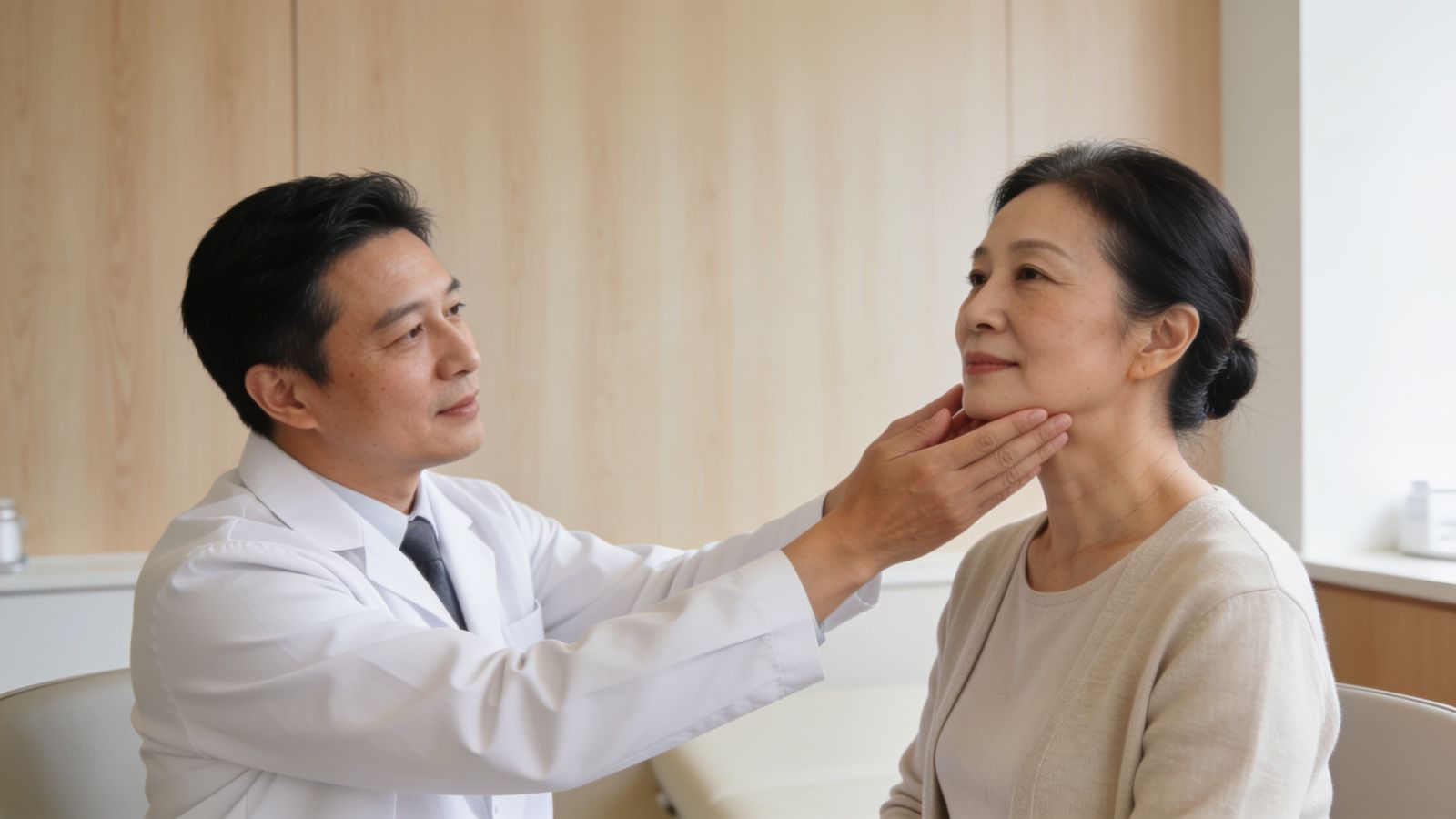
Melasma used to be thought of only as excess pigment in the epidermis. Research over the past two decades has shown a more complicated picture. Melasma skin often has more and larger small blood vessels, signs of chronic sun damage in the dermis, and a damaged basement membrane, the thin sheet that separates the epidermis from the dermis. Signals from the dermis and vessels appear to keep pigment cells overactive, and where the basement membrane is damaged, pigment can drop into the dermis where it is harder to clear.
Pulsed-wave RF microneedling is designed around this model. By coagulating abnormal vessels and prompting repair of the basement membrane, it aims to address factors beneath the visible pigment rather than breaking up pigment directly. A 2022 study of 44 patients with facial melasma or Riehl melanosis treated with five sessions of pulsed-type RF microneedling reported clinical improvement in most patients, lower erythema and melanin indices, and on biopsy fewer melanin deposits and blood vessels with a thickened basement membrane. That is encouraging but limited: it was not controlled against another treatment and follow-up was short.
“Melasma is managed, not erased. I would rather keep it calm for years than chase one dramatic session that provokes a rebound.”
Sylfirm X vs standard RF microneedling
| Sylfirm X pulsed wave | Standard RF microneedling | |
|---|---|---|
| Main target | Small vessels, basement membrane | Dermal collagen |
| Heat pattern | Very short pulses, limited spread | Sustained coagulation zones |
| Typical uses | Melasma, redness, reactive skin | Acne scars, pores, texture, laxity |
| Usual depth | Shallow | Shallow to deep, by target |
The platform’s continuous-wave mode sits in the right-hand column, so Sylfirm X can be used for both kinds of work. Other RF microneedling platforms, including Secret Duo, are generally used for collagen remodelling rather than vessel-targeted pulsing.
How many Sylfirm X sessions are needed, and how far apart?
Published protocols for pulsed-type RF microneedling in pigment disorders typically use a series of sessions a few weeks apart; the study of refractory facial pigmentation described above used five sessions. Clinics offering Sylfirm X commonly plan a course of several sessions with maintenance afterwards, because melasma and redness tend to return. Numbing cream is applied beforehand, needles are set shallow for pigment and redness work, and a full-face session is relatively quick.
Progress is judged on photographs taken in the same light, ideally with the same camera settings, rather than in the mirror, because melasma varies with season, heat and hormones. A course that has not changed anything by the midpoint is a reason to review the plan, not simply to continue.
Sylfirm X side effects and who should avoid it
The usual effects are those of shallow RF microneedling: redness and mild swelling for a day or two, pinpoint marks, dryness and occasionally small bruises. Because pulsed-wave delivery limits heat spread, the risk of post-inflammatory darkening is thought to be lower than with more aggressive heat-based treatments, but it is not zero in Asian skin, especially if the skin is tanned, the settings are strong or sun protection lapses.
Rarer problems include infection, prolonged redness, flares of acne or cold sores, and grid-like marks if the skin heals poorly. Treatment is postponed with active infection, eczema or cold sores in the area, and needs discussion in pregnancy, with bleeding disorders, a tendency to keloid scars, metal implants or electronic devices near the area, or recent oral isotretinoin.
Sylfirm X vs pico laser vs laser toning for melasma
| Sylfirm X (pulsed RF microneedling) | Pico laser | Laser toning | |
|---|---|---|---|
| Main target | Small vessels and the basement membrane under the pigment | Pigment granules | Pigment, gently and evenly |
| Energy | Radiofrequency through fine needles, in short pulses | Picosecond laser pulses | Low-fluence Q-switched 1064 nm |
| Evidence in melasma | Small studies, mostly from Korea | Moderate; part of many melasma plans | Most studied in Asian melasma; overtreatment can cause pale spots |
| Usual recovery | Redness and pinpoint marks for a day or two | Redness; fine crusts on treated spots | Mild redness for hours |
One study combined fractional microneedling RF with low-fluence laser toning in melasma and reported more improvement than toning alone, which fits the idea that treating the dermis and vessels can add to pigment treatment. It does not show that any one device replaces a full plan. For how pico, Q-switched and toning differ, see pico vs Q-switched vs laser toning; for redness-led concerns, see yellow laser vs pico vs laser toning.
What can it realistically do for melasma?
Melasma is a chronic condition. It is driven by sun and visible light, hormones, heat and genetic tendency, and none of those disappears after a course of any device. Most experts treat it as something to control over years rather than cure. Procedures, including pulsed RF, work as one part of a plan that also includes daily broad-spectrum sun protection with visible-light cover, prescription or cosmeceutical skincare, and in suitable people oral tranexamic acid, a prescription medicine with its own contraindications.
Relapse after any procedure is common, especially after summer, pregnancy or a change in contraception. Heat-based procedures can also provoke rebound pigment if settings are too strong. A sensible goal is a lighter, more even, more stable complexion with fewer flares, not complete clearance.
Who is pulsed RF microneedling for, and who should avoid it?
It is generally considered for people with established melasma that has not settled with sun protection and skincare alone, for persistent redness with visible fine vessels, and for sensitive skin that reacts badly to stronger heat-based treatments. It is less relevant for sun spots and freckles, which are epidermal and usually respond readily to pigment lasers, and for deep acne scars, which need a broader scar plan.
As with any microneedling, it is postponed where there is active infection, cold sores or eczema in the area, and needs discussion in pregnancy, with bleeding disorders, a tendency to keloid scarring, or recent oral isotretinoin, a prescription medicine. Melasma that is actively flaring, for example after a recent holiday, is often calmed with skincare first.
What should you ask before any melasma procedure?
Whatever device is offered, a few questions help. Has the pigment been typed, or is everything being called melasma? What is the plan for sun and visible-light protection, and for skincare between sessions? How will rebound pigment be recognised and handled if it happens? What happens after the course: is there a maintenance plan, and what are the signs that it should be paused? Honest answers to these matter more than the name of the platform, because melasma outcomes depend on the whole plan over time.
How are melasma and redness treated at IN Eternity Clinic?
The first step at the clinic is to work out what the pigment actually is, because sun spots, freckles, post-inflammatory marks, Hori’s naevus and melasma often sit side by side and need different handling. Redness is similarly sorted into rosacea, sensitised skin, broken capillaries and lingering post-acne marks.
For melasma, Dr Sin Yong uses gentle, low-fluence picosecond toning on the DEKA TORO or Fotona StarWalker PQX within the clinic’s pigment protocols, medical treatment and skincare, and strict sun protection; see melasma treatment. For redness and the vascular side of skin, the clinic’s 少女光 protocol uses the DEKA RedTouch Pro 675 nm laser, which acts on collagen and the vascular part of the dermis. For texture and pores alongside pigment, RF microneedling on Secret Duo may be used with conservative settings.
Which combination makes sense depends on your skin type, how active the melasma is and what has been tried before. Dr Sin Yong will tell you which option he recommends and why.
Whatever procedure is chosen, the daily routine carries much of the weight. That usually means a broad-spectrum sunscreen that also covers visible light, which in practice means tinted formulas containing iron oxides, reapplied through the day; skincare that calms pigment production without irritating the skin; avoiding scrubs and harsh peels at home; and limiting heat exposure. Plans are reviewed after the hotter months and after any hormonal change, because these are the times melasma tends to return.
Is Sylfirm X worth it?
It can be a reasonable option where melasma has a clear vascular component, where the skin reacts badly to heat, or where years of toning and creams have plateaued, provided it is part of a plan that includes sun and visible-light protection and medical skincare. It is a weaker choice for sun spots and freckles, which usually respond readily to pigment lasers, and for deep acne scars, which need a broader scar plan.
Before booking any course, it is fair to ask: what type of pigment has been diagnosed, how many sessions are planned and why, what maintenance is expected, and what happens if pigment darkens during treatment. The answers matter more than the device.
What Dr Sin Yong looks for
- Pigment type. Melasma, sun spots, freckles, Hori’s naevus and post-inflammatory marks, often side by side.
- Depth. Whether pigment looks epidermal, dermal or mixed under magnification and good light.
- Vessels. Background redness or fine vessels within the pigment, which point to a vascular component.
- Triggers. Sun, heat, hormones, pregnancy, contraception and irritating skincare.
- Skin reactivity. How the skin responded to previous lasers, peels or creams, including rebound darkening.
- Medicines. Anything that can darken skin or affect healing, including recent isotretinoin.
General clinical observations used at consultation; they describe what is checked, not any individual result.
When a dark patch or redness is not melasma: signs to have checked first
Most facial pigment is melasma, sun damage or post-inflammatory marks. Some patterns need a diagnosis rather than a device.
- A new or changing flat dark patch with irregular edges or several shades, especially in an older adult: lentigo maligna, an early melanoma, is excluded first.
- Blue-grey or slate darkening after a new medicine: drug-induced pigmentation is reviewed with your doctor.
- Blue-black darkening after long use of lightening creams: this can be ochronosis, which lasers and needles can worsen.
- Redness across the cheeks with joint pain, fatigue or mouth ulcers: lupus is checked with blood tests.
- Darkening in skin creases, gums and scars with tiredness and weight loss: a hormonal cause is investigated.
Where any of these apply, the cause is settled first. A cosmetic plan can follow once it is clear.

What does recovery usually involve?
With pulsed RF microneedling, as with gentle RF microneedling generally, recovery is short. Day 0: redness and mild swelling, sometimes pinpoint marks. Days 1 to 3: redness fades and the skin may feel dry. Week 1: most people look normal. Courses are typically several sessions a few weeks apart. Throughout, sun protection and avoiding heat, such as saunas and hot yoga, help reduce the risk of pigment flaring.
Common myths, answered
- Myth: Sylfirm X cures melasma.
Fact: Melasma is chronic and tends to relapse. Pulsed RF is one tool within a long-term plan that always includes sun protection and skincare. - Myth: All RF microneedling works the same way.
Fact: Most RF microneedling remodels collagen with sustained heat. Pulsed-wave delivery is designed to act on small vessels with less spread of heat. - Myth: Heat-based treatments are always safe for melasma.
Fact: Too much heat can provoke rebound pigment. Settings are kept conservative in melasma-prone skin. - Myth: Redness is always rosacea.
Fact: Persistent redness can come from rosacea, a sensitised barrier, broken capillaries or post-acne marks, and each is approached differently.
What does a Sylfirm X course look like, session by session?
A Sylfirm X course is usually several shallow sessions a few weeks apart, with a day or two of redness after each and maintenance afterwards. The study protocol above used five sessions two weeks apart.
| When | What usually happens | What helps |
|---|---|---|
| Day 0 | Numbing cream, then a shallow pass; redness and mild swelling; pinpoint marks | Cool compresses; no make-up on broken skin for the day |
| Days 1 to 3 | Redness fades; skin feels dry or tight | Gentle cleanser, bland moisturiser, sunscreen with visible-light cover |
| Week 1 | Most people look normal | No scrubs, acids or retinoids until the skin is calm |
| Between sessions (weeks) | Pigment may look patchy before it evens out | Strict sun and heat avoidance; report any darkening early |
| After the course | Melasma tends to return with sun, heat and hormones | Maintenance and skincare planned in advance |
In Singapore’s heat, the weeks between sessions matter as much as the sessions. Sweat, saunas, hot yoga and long spells outdoors can provoke pigment in melasma-prone skin, so plans are usually timed away from beach holidays. Any darkening that appears two to six weeks after a session should be reported rather than treated harder.
Can Sylfirm X treat acne scars, pores or hair loss?
The published evidence for Sylfirm X is strongest for pigment and redness, and even there it is small. For acne scars and pores it works like other RF microneedling in continuous-wave mode.
| Use you may see advertised | What it rests on | How to read it |
|---|---|---|
| Melasma and Riehl melanosis | Small studies of pulsed-type RF microneedling, mostly from Korea | Promising but short follow-up; part of a long-term plan |
| Persistent redness | The same studies report lower redness readings | The cause of redness decides whether any device helps |
| Acne scars, pores, texture | Evidence for RF microneedling in general (continuous wave) | Not specific to the pulsed mode; other platforms do the same job |
| Skin tightening | Evidence for RF microneedling in general | Modest change; deeper laxity needs lifting |
| Scalp, stretch marks, body areas | Mostly clinic experience and small reports | Treat as unproven for now |
The continuous-wave mode used for scars does at the needle tip what other RF microneedling platforms do, which is why, for scars and pores, IN Eternity Clinic chooses between Sylfirm X and RF microneedling in Singapore on Secret Duo after assessment, and pigment and redness may be treated with Sylfirm X or other tools; how those are planned is on melasma treatment.
What affects the cost of Sylfirm X in Singapore?
Sylfirm X is usually priced per session, and the total depends on the area treated, the concern, how many sessions are planned and whether maintenance follows. Melasma and redness typically need a course and later top-ups.
- Treatment area. Cheeks or under-eyes alone are planned differently from the full face, neck or body.
- The concern. Melasma, redness, acne scars and pores use different modes, depths and numbers of passes.
- Number of sessions. Pigment and redness are usually treated as a series a few weeks apart.
- Maintenance. Melasma and redness tend to return, so clinics commonly plan maintenance after the course.
- Care alongside. Sun protection, topical or oral pigment control and other devices add to the plan.
- Doctor involvement. Who examines the skin, sets the mode and reviews progress.
A fair comparison is the cost of the whole plan rather than one session. Before booking anywhere, it is worth asking which mode will be used and why, how many sessions are expected, what maintenance looks like, what the risks are for your skin type and what happens if pigment darkens. A cheaper session is poor value if the indication or settings are wrong.
At IN Eternity Clinic, melasma and redness may be treated with Sylfirm X or other methods, including melasma treatment plans and RF microneedling where it suits. The plan and its cost are explained at consultation after Dr Sin Yong has examined the skin; see fees.
How Sylfirm X is assessed, the outlook and prevention of recurrence
How is suitability for Sylfirm X decided?
The doctor first identifies whether the concern is melasma, redness, scarring or laxity, and how deep the pigment or damage lies, because Sylfirm X uses different modes for each. Active infection, pregnancy and recent isotretinoin use are reviewed, and darker skin is treated with conservative settings.
What is the long-term outlook after Sylfirm X?
For melasma and redness, Sylfirm X aims to repair the damaged blood vessels and basement membrane beneath the pigment, which may reduce recurrence, but melasma remains a long-term tendency. Results build over a course of several sessions and vary between people.
How can melasma recurrence be reduced after treatment?
Daily broad-spectrum sunscreen with visible-light protection, avoiding heat and steam, continuing prescribed topical treatment and having maintenance sessions all help. Hormonal triggers such as some contraceptives are discussed with your doctor.
Frequently asked questions about Sylfirm x
Is Sylfirm X better than microneedling?
Sylfirm X adds radiofrequency energy to microneedling, so it treats redness, pigment and laxity that plain microneedling does not. Plain microneedling remains a reasonable choice for texture alone. Neither is better for every concern; the assessment matches the device to the skin.
How long do Sylfirm X results last?
Changes from a Sylfirm X course build over two to three months and are usually maintained for around a year, after which a single maintenance session is common. Results vary between people, and sun protection prolongs them.
Is Sylfirm X worth the money?
Sylfirm X is worth considering when the concern matches what pulsed-wave RF microneedling does well: redness, melasma on a reactive background, pores and early laxity. For deep scars or marked sagging, other options give more for the same outlay. The assessment decides.
How much does Sylfirm X cost in Singapore?
Sylfirm X cost in Singapore depends on the area treated, the number of passes, whether it is combined with other treatment and the number of sessions in the course. A written estimate follows assessment with Dr Sin Yong; no price list is published.
How often can I do sylfirm x?
Sessions are usually spaced three to four weeks apart for a course of three to four treatments, then maintenance every few months. The interval depends on the concern treated and how the skin recovers, and is set at assessment.
Does sylfirm x actually work?
Sylfirm X has clinical studies showing improvement in melasma, redness and skin texture after a course of sessions, with results building over weeks. Response varies between people, and melasma in particular needs combined care including strict sun protection.
What is sylfirm x good for?
Sylfirm X is used for redness and rosacea-prone skin, melasma support, enlarged pores, fine lines, mild acne scarring and skin laxity. Its pulsed radiofrequency mode targets abnormal vessels and pigment-related inflammation, while its continuous mode works like other RF microneedling for texture and tightening.
Is Sylfirm X available at IN Eternity Clinic?
Yes. Sylfirm X is available at IN Eternity Clinic in Singapore. It is a pulsed and continuous-wave RF microneedling device often chosen for redness-prone skin, melasma support and texture. Dr Sin Yong chooses the device after assessing your skin and what you want to change, so you may be offered a different option if it suits you better.
Where can I get Sylfirm X in Singapore?
Sylfirm X is offered by a number of clinics in Singapore. If you are considering it, ask who will treat you, which mode will be used for your concern, how many sessions are planned and how rebound will be watched for. At IN Eternity Clinic, Sylfirm X is one of the options for melasma and redness, chosen after the pigment has been identified.
What affects the price of a Sylfirm X treatment in Singapore?
Cost usually follows the course rather than a single visit: how many sessions are planned a few weeks apart, the area treated, whether it is combined with laser toning or skincare, and how much maintenance follows, since melasma tends to return. Ask any provider for a written course plan.
What happens during a Sylfirm X treatment session?
Numbing cream is applied, then the handpiece passes over the skin with very fine needles that deliver radiofrequency at a set depth. For melasma and redness the needles are usually set shallow, at the upper dermis. Pinpoint marks, redness and mild swelling are usual on the day. In the main published study, sessions were spaced two weeks apart. Your own clinic's aftercare takes priority.
What is the difference between pulsed-wave and continuous-wave RF?
Continuous-wave RF heats tissue for a sustained period, creating coagulation zones that remodel collagen. Pulsed-wave RF delivers energy as very short bursts, intended to heat small targets such as fine abnormal vessels with less spread of heat into the surrounding skin.
Is Sylfirm X good for melasma?
Small studies, mainly from Korea, report improvement in melasma and redness measures after a course of pulsed-type RF microneedling. The evidence is promising but limited in size and follow-up. Melasma also needs sun protection, skincare and sometimes oral treatment, whatever procedure is used.
Can melasma be removed completely?
Melasma can usually be lightened and kept more stable, but it is a chronic condition that tends to return with sun exposure, heat and hormonal change. A realistic aim is a calmer, more even complexion with fewer flares, maintained over time.
Can RF microneedling make melasma worse?
It can if too much heat is used or aftercare is poor, because heat and inflammation can stimulate pigment cells. In melasma-prone skin, settings are kept conservative, sun protection is strict, and sessions are spaced to let the skin settle.
Which treatment helps facial redness?
It depends entirely on the cause. Rosacea, a sensitised barrier, broken capillaries and post-acne redness each respond to different approaches, including skincare, trigger control, medical treatment and vascular-targeted lasers. The cause is identified at assessment before any device is chosen.
How much does melasma treatment cost in Singapore?
Cost depends on the type and extent of pigment, which procedures are combined, how many sessions are needed and the skincare or medication involved. At IN Eternity Clinic, Dr Sin Yong explains the plan and gives a written quote after assessment.
How many Sylfirm X sessions are usually needed?
Published pulsed-RF studies in pigment disorders used a series of sessions a few weeks apart, five in one study. Clinics usually plan a course with maintenance, because melasma and redness tend to return. Progress is judged on standardised photographs.
What are the side effects of Sylfirm X?
Usually redness, mild swelling and pinpoint marks for a day or two, sometimes dryness or small bruises. Post-inflammatory darkening, infection and flares of acne or cold sores are less common. Strict sun protection reduces the risk of darkening.
Is Sylfirm X worth it for melasma?
It can be reasonable where melasma has a vascular component or the skin reacts badly to heat, as part of a plan with sun protection and medical skincare. Evidence is promising but limited, and melasma tends to return after any procedure.
Is Sylfirm X a laser?
No. Sylfirm X is a radiofrequency microneedling device: fine needles enter the skin and pass radiofrequency current between them, so the heat is made in the tissue rather than by light. That is why it is often discussed for melasma, where some light-based treatments can provoke rebound darkening. It still produces heat, so settings and aftercare matter in Asian skin.
Does Sylfirm X hurt?
Most people describe a series of prickles and warmth rather than pain, because numbing cream is applied for about half an hour first and needles are set shallow for pigment work. Deeper settings used for scars are felt more. Redness and a tight, dry feeling usually last a day or two afterwards.
Can I have Sylfirm X while pregnant or breastfeeding?
Elective microneedling procedures are usually postponed in pregnancy, and melasma that appears then is managed with sun protection and skincare suitable for pregnancy. Breastfeeding is discussed case by case with the treating doctor. Melasma often changes after pregnancy anyway, so it is reassessed once hormones settle before any device is chosen.
How long do Sylfirm X results last for melasma?
There is no fixed figure. Studies of pulsed RF microneedling followed people for weeks to a few months, and melasma is a chronic condition that tends to return with sun, heat and hormonal change after any procedure. Results usually last longer when sun and visible-light protection and skincare continue, with maintenance planned rather than waiting for a relapse.
Can Sylfirm X treat acne scars?
Its continuous-wave mode works like other RF microneedling, which can soften rolling and shallow boxcar scars over a course of sessions. The pulsed mode is aimed at vessels and pigment rather than scars. Deep or mixed scars usually need a combined plan; at IN Eternity Clinic scars are treated with RF microneedling on Secret Duo, CO2 laser and the 4D Scar Reconstruction protocol.
Book an assessment
IN Eternity Clinic, 9 Scotts Road, #12-01 Pacific Plaza, Singapore 228210. By appointment with Medical Director Dr Sin Yong. Monday to Saturday, 11am to 8pm. WhatsApp or call +65 8815 3008.
International KOL — CLASSYS · HIRONIC · DEKA · ALMA · FOTONA · LUTRONIC
References
- Park BJ, Jung YJ, Ro YS, Chang SE, Kim JE. Therapeutic Effects of New Pulsed-Type Microneedling Radiofrequency for Refractory Facial Pigmentary Disorders. Dermatol Surg 2022;48(3):327-333. doi:10.1097/DSS.0000000000003367
- Weiner SF. Radiofrequency Microneedling: Overview of Technology, Advantages, Differences in Devices, Studies, and Indications. Facial Plast Surg Clin North Am 2019;27(3):291-303. doi:10.1016/j.fsc.2019.03.002
- Sheth VM, Pandya AG. Melasma: a comprehensive update: part I. J Am Acad Dermatol 2011;65(4):689-697. doi:10.1016/j.jaad.2010.12.046
- Davis EC, Callender VD. Postinflammatory hyperpigmentation: a review of the epidemiology, clinical features, and treatment options in skin of color. J Clin Aesthet Dermatol 2010;3(7):20-31. PMID 20725554
- Singapore Medical Council. Guidelines on Aesthetic Practices for Doctors (2016 edition). healthprofessionals.gov.sg/smc
- Kwon HH, Choi SC, Jung JY, Park GH. Combined treatment of melasma involving low-fluence Q-switched Nd:YAG laser and fractional microneedling radiofrequency. J Dermatolog Treat 2019;30(4):352-356 (online 2018). doi:10.1080/09546634.2018.1516858
- Kim EH, Kim YC, Lee ES, Kang HY. The vascular characteristics of melasma. J Dermatol Sci 2007;46(2):111-116. doi:10.1016/j.jdermsci.2007.01.009
- Wattanakrai P, Mornchan R, Eimpunth S. Low-fluence Q-switched neodymium-doped yttrium aluminum garnet (1,064 nm) laser for the treatment of facial melasma in Asians. Dermatol Surg 2010;36(1):76-87. doi:10.1111/j.1524-4725.2009.01383.x
- Passeron T, Picardo M. Melasma, a photoaging disorder. Pigment Cell Melanoma Res 2018;31(4):461-465. doi:10.1111/pcmr.12684
- Dong W, Wang N, Yuan X, Zhang W. Treatment of pigmentary disorders using picosecond laser in Asian patients: a meta-analysis and systematic review. Dermatol Ther 2021;34(1):e14709. doi:10.1111/dth.14709
These sources describe mechanisms and general evidence. They are not a promise of any individual result; suitability is decided at an in-person assessment.