Sagging Face Treatment Singapore
As the face ages, skin and deeper tissues descend — softening the jawline, deepening folds and creating jowls. Dr Sin Yong aims to restore lift without surgery, combining laser lifting, vertical firming and proprietary restoration protocols to redefine the contours of the face.
Read about titanium lifting online? Titanium lifting explained covers what it is, the evidence so far and how it compares with HIFU.
Sagging face treatment is non-surgical lifting for each layer that has loosened; a sagging face is rarely just loose skin. With age the skin loses collagen, the fat pads descend and the deeper support weakens, so the jawline softens and jowls form. Non-surgical treatment at IN Eternity Clinic works on those layers separately, with laser, radiofrequency or focused ultrasound for skin and support, and volume where it was lost. Advanced laxity may be better served by surgery. See also our guide to tummy tuck.
Sagging face treatment at a glance
| Sagging face treatment at IN Eternity Clinic | |
|---|---|
| What it is | Non-surgical lifting that treats each layer of a sagging face separately: skin, descended fat pads, deeper support and lost volume. |
| Used for | A softened jawline, jowls, deepening nasolabial folds and marionette lines, a heavier double chin and loss of V-shape definition, in mild to moderate sagging. |
| How it works | Laser (Time Freeze Laser LCLR®), radiofrequency (VF Lift – Vertical Facelift on CLASSYS Volnewmer) or focused ultrasound for skin and support, threads where suitable, and volume where it was lost. |
| Typical sessions | Some protocols are a single session; others are staged as a course with periodic maintenance. |
| Downtime | Redness, warmth and mild swelling for hours to a day or two after energy treatment; bruising and small entry marks for one to two weeks after threads. |
| When results show | Results build as collagen remodels; threads and injectables are checked at around two weeks, energy treatments at around three months. |
| Who should avoid or wait | Pronounced sagging with a large amount of excess skin may be better served by surgery. |
| Who performs it | Medical Director Dr Sin Yong examines the face at rest, smiling and in profile, and plans the protocol. |
Dr Sin Yong, Medical Director of IN Eternity Clinic, explains that pulling the surface tight does not lift a face that has dropped from underneath, so each layer that has moved gets its own answer, and he explains what a protocol cannot do before it starts.
On this page
- Layers involved: Skin (collagen and elastin), the facial fat pads, the SMAS and retaining ligaments, and bone
- Laser: Time Freeze Laser LCLR® uses dual-wavelength laser energy at several depths of the skin
- Radiofrequency: VF Lift – Vertical Facelift runs on CLASSYS Volnewmer, cooled monopolar radiofrequency, and does not use Ultraformer
- Focused ultrasound: HIFU at 4.5 mm reaches the SMAS, the layer repositioned in a surgical facelift
- Timeline: Tightening builds over two to three months as collagen remodels; the degree varies between people
- Limit: Heavy jowls and draping neck skin usually need surgery for a substantial change
- Assessed by: Medical Director Dr Sin Yong at IN Eternity Clinic, 9 Scotts Road
- A review of barbed thread-lift studies found little substantial new evidence had been added over a decade, so long-term results should be discussed cautiously (Plast Reconstr Surg 2018)
- A review of the ageing face shows the facial skeleton also changes with age, so lifting soft tissue alone may not restore a natural balance (Aesthetic Plast Surg 2012)
Three Approaches to Non-Surgical Lifting
A sagging face is lifted from different layers — surface, structure and support. Dr Sin Yong combines these protocols to restore natural, balanced definition.


Time Freeze LCLR Facelift
A laser-based lifting protocol that firms lax facial skin and stimulates contraction, softening jowls and restoring a smoother, more lifted contour without surgery.

VF Lift – Vertical Facelift
A non-surgical vertical facelift that lifts and firms descended tissue along its natural vector, redefining the cheeks and jawline while keeping expression natural.

RVR ProLift
A proprietary refinement-with-vertical-restoration protocol that re-supports the deeper structure of the face, addressing the underlying descent behind a sagging appearance.
Lifting a sagging face: which treatment for which sign?
A sagging face is lifted layer by layer, so the option follows the sign: jowls, folds, pouching or hollows.
| Sign | Lifting option | What it does |
|---|---|---|
| Jowls and a softened jawline | VF Lift – Vertical Facelift, Lift mode; Time Freeze Laser LCLR® | Lift tightens and lifts the skin along vertical vectors; Time Freeze firms lax skin and softens jowls with laser energy at several depths |
| Deepening nasolabial folds | VF Lift – Vertical Facelift, Lift mode (Sculpt for the bulge beside the fold) | Softer folds by lifting the cheek above rather than filling the fold; see nasolabial folds treatment |
| A puffy lower face or double chin | VF Lift – Vertical Facelift, Sculpt mode | Flattens areas that pouch or bulge |
| Hollows: temples, lateral cheeks, the prejowl sulcus | VF Lift – Vertical Facelift, Restore mode | Customised to hollows, helping your own fat there regenerate; volume develops over the following weeks, and nothing is injected |
| Laxity at the deeper support layer (SMAS) | HIFU or Ultherapy | Focused ultrasound reaching the SMAS, the layer repositioned in a surgical facelift |
| Crepey skin and overall firmness | Thermage FLX | Monopolar radiofrequency heating of the dermis |
| Descended tissue that needs mechanical support | Thread lift | Threads reposition tissue; small entry marks for one to two weeks |
Dr Sin Yong’s VF Lift – Vertical Facelift combines three modes in one planned session: Lift for loose skin, the jawline and the nasolabial folds; Sculpt for areas that pouch or bulge; and Restore for hollows. How much changes varies between people and is reviewed over the following weeks.
Guides by area: jowl treatment in Singapore, marionette lines treatment, neck tightening and double chin removal.
Why the Face Sags With Age
Facial sagging is not caused by skin alone. With age the skin loses collagen and elasticity, the deeper fat pads descend, and the underlying support weakens — so the whole structure of the face drifts downward. This shows up as a softened, blurred jawline, jowls forming along the lower face, deepening nasolabial folds and marionette lines, a heavier double chin, and a loss of the youthful V-shape. Where the side of the face has softened because the fat layer has thinned, see Profhilo Structura in Singapore.
Because several layers are involved, treating a sagging face means addressing more than surface skin laxity. The clinic's non-surgical facelift, directed by Medical Director Dr Sin Yong, works on the skin, the descended tissue and the deeper support together, rather than simply pulling the surface tight. This is what keeps the result looking natural — a refreshed, lifted version of your own face rather than an operated-on appearance.
Understanding where you are sagging — midface, jawline, jowls, neck or brow — guides which combination of lifting and firming is right, since no single protocol addresses every area equally.
Non-Surgical Lifting & Skin Tightening
A non-surgical face lift uses energy and firming to tighten lax skin and re-support tissue without incisions. Dr Sin Yong combines laser lifting to firm the skin and soften jowls, vertical firming that lifts descended tissue along its natural upward vector, and proprietary restoration protocols that re-support the deeper structure behind a sagging appearance. Together these rebuild definition along the cheeks, jawline and lower face. The mid-face is covered in detail in sagging cheeks: why they drop and what lifts them.
Patients researching facial lifting often come across energy-based devices such as HIFU, Ultherapy and Thermage, and ask how these compare. These are skin-tightening technologies that work by heating deeper layers to stimulate collagen; they can help with mild laxity but each targets a single mechanism. The clinic's approach differs in combining lifting vectors with skin tightening and structural support, chosen for where your face is actually descending, rather than relying on one device for every patient. At consultation he will explain honestly which approach suits your degree of sagging.
A heavy double chin, one of the most common concerns alongside a sagging face, is addressed with the same skin-tightening and contouring principles applied under the chin and jawline, improving the neck-to-jaw profile as part of the overall lift.
Your sagging face treatment day, step by step
The protocol varies with your face; the order of the day does not.
- Consultation and assessment. Dr Sin Yong examines the face at rest, smiling and in profile to see which layers have moved, then explains which protocol suits you and what it cannot do.
- Preparation. Cleansing, standard photographs, numbing cream where needed, and marking of vectors or zones.
- The treatment. Energy protocols such as the VF Lift – Vertical Facelift or Time Freeze Laser LCLR® often take around an hour for the face; injectable or thread work can take longer. The time is confirmed in your plan.
- Straight after. Warmth and redness after energy treatment; swelling and small entry marks after threads or injectables. Most people resume normal activities within a day or two.
- The next days. The jawline may feel tender. Avoid facial massage and saunas, and use sunscreen daily.
- Review. Threads and injectables are checked at around two weeks; energy treatments at around three months, against your first photographs.
Who a Non-Surgical Facelift Suits
Non-surgical face lifting suits people with mild to moderate sagging who want to firm a softening jawline, early jowls, or loose skin without surgery and without the downtime of a surgical facelift. It is a gradual treatment — results build as collagen remodels — and it works well as prevention and early correction rather than waiting until laxity is pronounced.
Pronounced sagging, with a large amount of excess skin, may still be better suited to surgery, and Dr Sin Yong will tell you honestly if that is the case rather than over-promise what non-surgical treatment can deliver. For most people troubled by the first signs of a sagging face, though, a tailored non-surgical lift restores meaningful definition while keeping the face looking like itself.
A Non-Surgical Alternative to Facelift Surgery
Many people first look into facelift surgery in Singapore — a surgical facelift, mini facelift or SMAS lift — when the jawline softens and jowls appear. Surgery repositions tissue through incisions under anaesthesia and can address significant laxity, but it involves scarring, a recovery period and a more permanent change. For mild to moderate sagging, Dr Sin Yong offers a non-surgical facelift as an alternative: energy-based lifting and firming that re-support descended tissue without cutting, without general anaesthesia and with little downtime.
This suits patients who want to lift a sagging face or refine an early double chin but are not ready for surgery, as well as those maintaining a previous surgical result. Where laxity is pronounced and a surgical facelift would genuinely serve you better, Dr Sin Yong will say so at consultation rather than stretch what non-surgical treatment can do.
Pigmentation Is a Separate Concern — Pico Laser
A dull, uneven complexion is often confused with a sagging face, but they are different problems that need different treatments. Pico laser is a picosecond laser used in Singapore to address pigmentation — melasma, sunspots, freckles, post-acne marks and an overall uneven or dull skin tone. It delivers ultra-short pulses that break pigment into fine particles the body clears, refreshing the clarity and evenness of the skin.
What Pico laser does not do is lift. Because it works on pigment and surface quality rather than on the deeper tissue that has descended, it will not tighten jowls or re-support a sagging jawline. Lifting comes from the structural protocols on this page — RVR ProLift, Time Freeze Laser and 4K Body Lift. Many patients have both concerns at once, so Dr Sin Yong often plans Pico for tone alongside a lifting protocol for structure, treating each with the tool suited to it.
Where the Face Loses Its Lift
Facial ageing shows in specific zones. Tap an area to see how Dr Sin Yong restores lift and definition there.
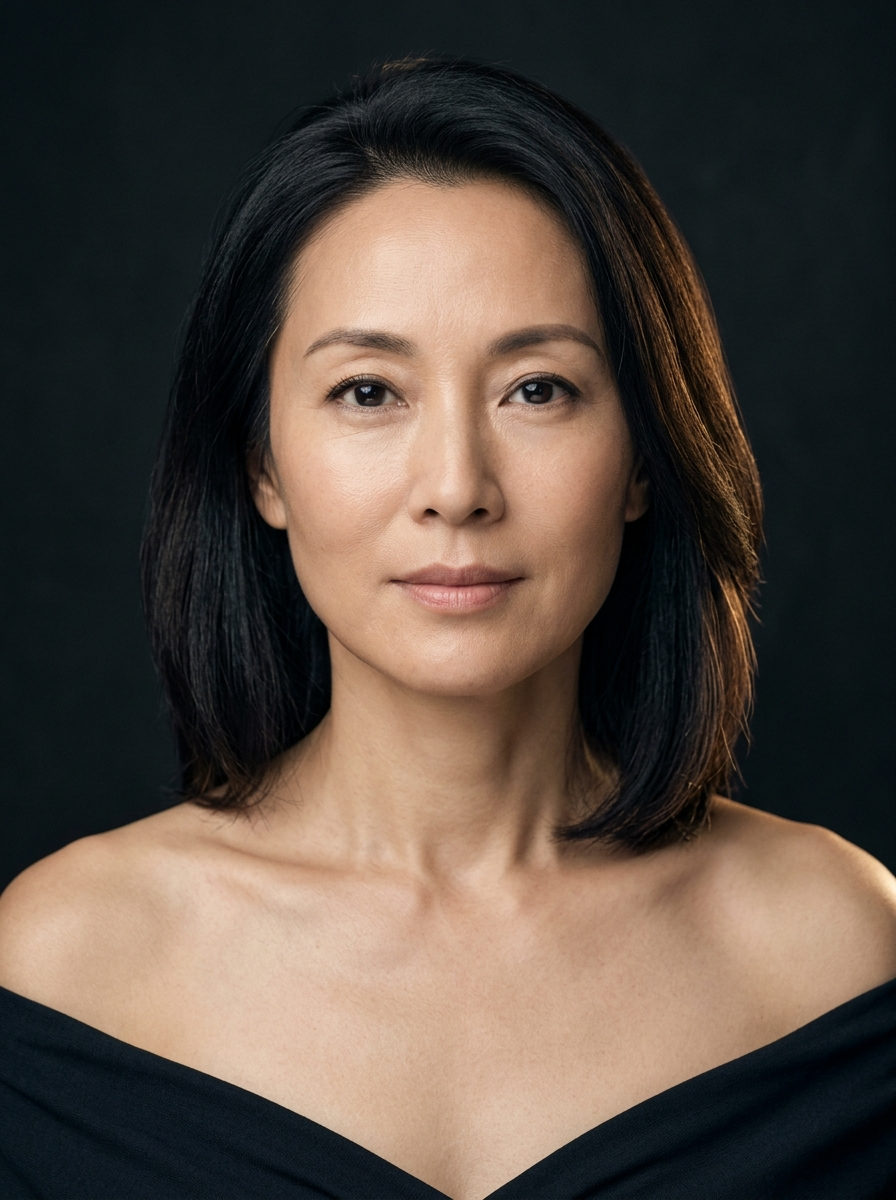
A non-surgical facelift in Singapore offers an alternative to surgery for a sagging face, using energy-based lifting and skin tightening to firm lax skin and re-support descended tissue. Dr Sin Yong addresses the common signs of facial sagging — a softened jawline, jowls, deepening folds, a heavy double chin and loss of V-shape definition — with laser lifting, vertical firming and proprietary restoration protocols. This face lift alternative aims for a natural, gradual result with little downtime, redefining the contours of the face without incisions. For how threads are priced, see face thread lift cost in Singapore. Before choosing threads, it helps to read thread lift complications: most are minor, and a few need prompt care.
“Pulling the surface tight does not lift a face that has dropped from underneath. Each layer that has moved needs its own answer.”
How many sagging face treatment sessions are needed, and what do results look like over time?
The number of sessions depends on how much the face has descended and the result you aim for.
| When | What usually happens |
|---|---|
| Day of treatment | Warmth and redness after energy treatment; swelling and small entry marks after threads or injectables |
| First days | Redness and mild swelling settle; tenderness along the jaw can last a day or two |
| Around two weeks | Threads and injectables are checked |
| Following weeks to months | Results build as collagen remodels |
| Around three months | Energy treatments are reviewed against your first photographs; a further session is planned if needed |
| Longer term | Ageing continues, so periodic maintenance helps sustain the lift |
Sagging face treatment: risks and side effects
Facial ageing involves skin, fat, ligaments and bone (Swift 2021; Mendelson 2012), so plans often combine treatments; the risks of each are explained before you agree to it.
- Common and expected: redness, warmth and mild swelling for hours to a day or two after energy treatment; tenderness along the jaw; bruising, swelling and small dimples at entry points for one to two weeks after threads.
- Uncommon: a blister or raised welts, temporary numbness, or, in a very lean face, slight hollowing after deep heat; with threads, a thread that can be felt, extrusion or infection (Gülbitti 2018). Reviews of focused ultrasound report mostly mild, short-lived effects (Ayatollahi 2020).
- When to call the clinic: WhatsApp or call +65 8815 3008 the same day for increasing pain, a blister, a hot or discharging entry point, pale or grey skin, or weakness in your smile.
What affects the cost of sagging face treatment in Singapore
A sagging face is treated layer by layer, so the cost follows the plan, whether the starting point is early skin laxity or established jowls:
| Factor | Why it changes the cost |
|---|---|
| Areas | Jawline alone, mid-face and jawline, or face with neck. |
| Protocol or device | Radiofrequency, focused ultrasound, laser, threads or injectables each cost differently. |
| Sessions | Some protocols are a single session; others are a course with periodic maintenance. |
| Product amount | Where threads or injectables are used, how many threads or how much material the plan needs. |
| Combination | Whether skin quality or volume treatment is planned alongside. |
| Assessment findings | How far tissue has descended, and fat versus volume loss. |
How consultation and treatment fees are handled is explained on our fees page. At IN Eternity Clinic a consultation fee applies, and it is waived if you go ahead with any medical treatment; the fee is S$120.
Frequently Asked Questions — Sagging Face Treatment
It depends on what has dropped. Loose deep tissue and early jowls respond to ultrasound lifting such as HIFU or Ultherapy, loose skin to radiofrequency tightening, lost cheek volume to fillers or collagen stimulators, and threads give an immediate lift. Advanced sagging may need a surgical facelift. A sudden droop on one side of the face is a medical emergency, so seek urgent care.
Daily sunscreen matters most, because sun exposure breaks down collagen. Not smoking, a stable weight, enough protein and sleep, and a topical retinoid introduced slowly all support skin quality. Face exercises and massage tools have little evidence for lifting. These steps slow sagging rather than reverse it; established laxity needs treatment that reaches deeper layers.
No facial lifts sagging skin on its own. Facials work on the surface: they can improve hydration, glow and texture, which helps skin look fresher. Tightening needs energy or support placed deeper, such as radiofrequency, focused ultrasound or threads, and lost volume needs a collagen stimulator or filler. If a treatment is sold as a 'lifting facial', ask which device is used and at what depth.
Partly. Non-surgical treatments can tighten skin, stimulate collagen and restore some lost support, which can soften mild to moderate sagging, but they do not stop ageing, and results fade gradually over time. Marked sagging with excess skin is better served by a surgical opinion. Sun protection, not smoking and a stable weight slow further change.
Yes. Laxity rarely stops at the jawline, so the neck and under-chin are commonly treated alongside the lower face. Energy-based lifting can firm the neck and soften horizontal lines. Dr Sin Yong assesses the face and neck together so the result stays balanced.
Yes. Men commonly seek treatment for jowls, a heavy jawline and under-chin fullness. The principles are the same, though the plan accounts for thicker skin, the beard area and a preference for a defined rather than softened contour.
Often, yes — lifting addresses laxity while fillers address volume loss, and the two can be complementary. Dr Sin Yong plans any combination in sequence, and where volume is the main issue he is equally experienced in correcting over-filled results rather than adding more.
Energy-based lifting is designed to be repeatable, and maintenance is a normal part of a long-term plan as the face continues to age. Intervals are set to what the skin needs rather than a fixed schedule, and reviewed before each course.
Non-surgical facelift results depend on matching the right energy and technique to the pattern of laxity — jowls, mid-face descent, jawline or neck. Dr Sin Yong is an aesthetic physician with an MSc in Aesthetic Medicine (University of London) and is an International Key Opinion Leader for CLASSYS and HIRONIC. His non-surgical lifting protocols, including the VF Lift – Vertical Facelift and Svelte Touch, combine radiofrequency and ultrasound energy to lift and firm without surgery. Suitability is assessed at consultation on Orchard Road, Singapore.
No. Pico laser targets pigmentation and skin tone — melasma, sunspots and uneven or dull skin — rather than laxity. It refreshes clarity but does not tighten jowls or lift descended tissue. Lifting a sagging face comes from structural protocols such as RVR ProLift, Time Freeze Laser and 4K Body Lift, which Dr Sin Yong often plans alongside Pico when both tone and lift are concerns.
Yes. For mild to moderate sagging, non-surgical lifting firms and re-supports the face without incisions or general anaesthesia and with little downtime — an alternative to a surgical facelift or mini facelift. Significant laxity with a lot of excess skin may still be better suited to surgery, and Dr Sin Yong will advise honestly at consultation.
Yes, in many cases. Non-surgical lifting uses energy-based and firming protocols to tighten skin and re-support descended tissue. It suits mild to moderate sagging especially well. Pronounced laxity may still be better addressed surgically, and Dr Sin Yong will advise honestly.
A surgical facelift cuts and repositions tissue under anaesthesia with a longer recovery. Dr Sin Yong's non-surgical approach lifts and firms without incisions, with little downtime for most people — a gradual, natural-looking result rather than a dramatic surgical change.
Ageing brings loss of collagen, descent of fat pads, and skin laxity, so the face loses its structural support and tissue drifts downward. This shows as jowls, a softened jawline, and deeper folds. Treatment aims to re-lift and re-support these layers.
It depends on where and how much you are sagging. Surface laxity, structural descent, and volume loss each call for different protocols, which is why Dr Sin Yong assesses your face before recommending a combination rather than a single fixed treatment.
These treatments are designed to be low-downtime, with most people resuming normal activities quickly. Exactly what to expect depends on the protocols used and is explained at consultation.
Results build as collagen remodels and can last many months, though ageing continues over time, so periodic maintenance helps sustain the lift. Individual longevity varies and is discussed at your assessment.
HIFU, Ultherapy and Thermage are energy-based skin-tightening devices that heat deeper layers to stimulate collagen, and can help with mild laxity. The clinic's non-surgical facelift, directed by Medical Director Dr Sin Yong, instead combines lifting vectors, skin tightening and structural support tailored to where your face is descending, rather than relying on a single device. He will advise which approach suits your degree of sagging at consultation.
Yes. A heavy double chin is a common concern alongside a sagging face, and the same skin-tightening and contouring principles can be applied under the chin and along the jawline to improve the neck-to-jaw profile as part of the overall lift.
Cost depends on the areas treated, the degree of sagging, and which combination of protocols is planned. Because each plan is personalised rather than a fixed package, Dr Sin Yong provides a clear quote after assessing your face at consultation.
There is no fixed age. Non-surgical lifting works well as early correction, when laxity is mild to moderate, rather than waiting until sagging is pronounced. Many people start when they first notice a softening jawline or early jowls, since gradual maintenance tends to give the most natural result.
Most patients feel warmth or brief deep pulses as energy is delivered during non-surgical facelift treatment, with settings adjusted for comfort. Any sensation is momentary and passes as each area is completed. What to expect is explained beforehand at IN Eternity Clinic.
The number of non-surgical facelift treatment sessions depends on your degree of laxity or descent and the result you are aiming for; some protocols work in a single session while others are staged. Your plan is set at consultation by Medical Director Dr Sin Yong.
A double chin can be submental fat, skin laxity, a weak jaw or a combination, and the right approach depends on which. Non-surgical options address fat and laxity through energy-based and laser lifting, while a receded jaw may call for structural support. At IN Eternity Clinic the cause is assessed first, since treating fat when the issue is laxity gives a partial result.
A double chin can come from submental fat, loose or lax skin, a naturally recessed jaw or chin, posture and ageing, and often a combination. Because these are different problems, distinguishing them at assessment determines what treatment can achieve, rather than assuming it is simply fat.
Jawline definition depends on the balance of fat, skin laxity and underlying structure. Non-surgically, energy-based and laser lifting firm lax skin along the jaw, while chin or jaw filler can add structural projection where that is what is lacking. At IN Eternity Clinic the combination is planned to your anatomy by Medical Director Dr Sin Yong.
A non-surgical facelift uses energy-based devices, lasers, threads or injectables — rather than surgery — to lift and firm the face by stimulating collagen and repositioning tissue, with little downtime. It suits earlier laxity and descent; where the change is advanced, surgery may be the more honest option, and that is discussed at assessment.
It can. Facial fat helps hold the skin up, so significant or rapid weight loss reduces that support and can make jowls and folds more noticeable, especially after the mid-thirties. Treatment then combines tightening with careful replacement of support where volume was lost.
Only a little. Filler placed at key support points can lift the midface slightly, but adding more to chase a lift adds weight and can produce a heavy, overfilled look. Where laxity is the main problem, tightening comes first and filler is used sparingly.
When jowls hang clearly below the jawline, the neck skin drapes in folds, or there is a large amount of excess skin. Non-surgical treatment can still firm the skin, but a surgical facelift is usually the more honest route to a substantial change, and that is said at assessment.
Usually, with planning. Radiofrequency and focused ultrasound work beneath the surface and do not target pigment, so the risk of pigment change is low in skin types III to V. Laser-based lifting is set more conservatively in darker skin, and recent tanning or irritation means postponing. In Singapore’s sun, daily sunscreen after any session lowers the risk of post-inflammatory hyperpigmentation.
After energy-based lifting, usually the same day once redness settles. After threads or injectable protocols, wait until the next day so the entry points have closed, then apply it gently without pressing along the treated lines. Clean brushes help in Singapore’s humidity.
Ageing continues after any treatment, so the face keeps changing. Collagen made after energy treatment becomes part of your tissue, and threads or collagen stimulators leave some support as they dissolve, but bone, fat and ligaments go on changing. Most people plan periodic maintenance, and sunscreen and a stable weight slow how quickly laxity returns.
They suit different faces. Time Freeze Laser LCLR® combines laser lipo-remodelling with tightening and is often the starting point for a fuller lower face with compact fat along the jaw. The VF Lift – Vertical Facelift uses CLASSYS Volnewmer radiofrequency along vertical vectors and tends to suit leaner faces, where deep heat could hollow the cheeks. The wider comparison is in the non-surgical facelift guide.
References
- Swift A, Liew S, Weinkle S, Garcia JK, Silberberg MB. The facial aging process from the “inside out”. Aesthet Surg J 2021;41(10):1107-1119 (online 2020). doi:10.1093/asj/sjaa339
- Mendelson B, Wong CH. Changes in the facial skeleton with aging: implications and clinical applications in facial rejuvenation. Aesthetic Plast Surg 2012;36(4):753-760. doi:10.1007/s00266-012-9904-3
- Ayatollahi A, Gholami J, Saberi M, et al. Systematic review and meta-analysis of safety and efficacy of high-intensity focused ultrasound (HIFU) for face and neck rejuvenation. Lasers Med Sci 2020;35(5):1007-1024. doi:10.1007/s10103-020-02957-9
- Gülbitti HA, Colebunders B, Pirayesh A, Bertossi D, van der Lei B. Thread-lift sutures: still in the lift? A systematic review of the literature. Plast Reconstr Surg 2018;141(3):341e-347e. doi:10.1097/PRS.0000000000004101
These sources describe mechanisms and general evidence. They are not a promise of any individual result; suitability is decided at an in-person assessment.
Restore Lift — Without Surgery
Book a facial assessment at IN Eternity Clinic at his aesthetic practice on Orchard Road, within reach of Somerset, City Hall and the Central town area.
WhatsApp +65 8815 3008 →Weight loss, skincare and when sagging starts
Can weight loss make the face sag?
Yes. Losing a lot of weight, especially quickly, reduces facial fat that supports the skin, which can make the face look hollow or loose, particularly in people over 40. Losing weight gradually, protecting the skin from the sun and restoring volume or tightening the skin afterwards can help.
Which skincare helps a sagging face?
Skincare cannot lift sagging, but it can improve skin quality. A retinoid at night, daily sunscreen, vitamin C and a good moisturiser help keep the skin firmer and slow collagen loss. Tightening and lifting need in-clinic treatments that work in the deeper layers.
At what age does the face start to sag?
Early changes such as slight loss of jawline definition and deeper smile lines often appear from the mid-thirties, though genetics, sun exposure, smoking, weight changes and face shape make a large difference. Lean faces may show hollowing earlier, while fuller faces may show heaviness along the jaw. Treating early laxity is usually gentler than treating heavy sagging later.