
Pico Laser Results Timeline: What Changes and When
What pico laser can change, how quickly, and how long it holds depends on the pigment. Dr Sin Yong sets out the timeline by concern, and how results are fairly judged.
Pico laser before and after: what one session changes, when sun spots, freckles, melasma and tattoos fade, and how Dr Sin Yong judges progress. Results vary.
For the clinic treatment, see pico laser Singapore.
WhatsApp to Enquire →Key facts ↓Pico laser results depend on the pigment. Many sun spots and freckles lighten after one to three sessions, judged four to six weeks after each; melasma, acne marks and dull tone need a course; tattoos need many sessions. Treated spots look darker for about a week before crusts lift. Progress is judged on standardised photographs of your own skin, and sunscreen decides how long results hold.
On this page
- Sun spots: often one to three sessions; judged four to six weeks after each.
- Freckles: lighten, then return with sun; the tendency is genetic.
- Melasma: a gentle course with topical care; improvement needs maintenance.
- First week: treated spots darken and crust before they lift; this is expected.
- How it is judged: standardised photographs of your own skin, same position and light, at review.
- No patient photos: IN Eternity Clinic does not publish patient photographs or patient endorsements to advertise treatment.
- Consultation: S$120, waived with any medical treatment. IN Eternity Clinic, 9 Scotts Road, #12-01 Pacific Plaza.
- A meta-analysis reviewed picosecond laser studies specifically in Asian patients with pigmentary disorders, the first to pool this evidence for Asian skin (Dermatol Ther 2021)
- A systematic review of 77 studies rated picosecond laser evidence as level I for tattoo removal, level I–IV for benign pigmented spots and level II for melasma and skin rejuvenation (Lasers Surg Med 2021)
What does pico laser change, and when?
People searching for pico laser results usually want two things: to know what the skin will look like after treatment, and when. The answer depends far more on the pigment being treated than on the laser. A sharply edged sun spot can lighten after one or two sessions; freckles lighten and then return with sun; melasma lightens slowly over a course and tends to recur; tattoos fade over many sessions spaced weeks apart; and texture changes after fractional pico take months.

Every pigment treatment also has the same awkward first week. Treated spots turn darker and form fine crusts before they lift, so the skin looks worse before it looks better. That is the broken-up pigment being carried to the surface and shed, and it is the main reason results are judged at review weeks later, not in the mirror on day three.
This page sets out that timeline by concern. It does not show patient photographs: IN Eternity Clinic does not publish patient photographs or patient endorsements to advertise treatment, in line with Singapore’s rules on healthcare advertising, and a photograph of someone else’s skin says little about how yours will respond. For what pico laser is and which platforms are used, see pico laser in Singapore.
Pico laser results by concern: a realistic timeline
| Concern | Typical course | What you see first | When to judge | How long it holds |
|---|---|---|---|---|
| Sun spots (solar lentigines) | Often 1–3 sessions | Darkening and micro-crusts for about a week | 4–6 weeks after each session | Treated spots usually stay lighter; new ones can form with sun |
| Freckles | 1–3 sessions | Darkening, then lighter freckles | 4–6 weeks | Return with sun exposure; the tendency is genetic |
| Melasma | A gentle course of several sessions, with topical care | Little visible change at first | After the course, then at maintenance reviews | Tends to recur; managed rather than cured |
| Post-acne marks (PIH) | A short course alongside topical care | Gradual fading | 6–8 weeks | Holds if new acne is controlled |
| Dull, uneven tone (toning) | A course of several sessions | A brighter, more even look within days of each session | At the end of the course | Maintenance sessions keep the effect |
| Texture, pores, shallow scars (fractional pico) | Several sessions weeks apart | Redness and faint dots for 1–3 days | 3–6 months | Collagen change is gradual and lasting; ageing continues |
| Tattoos | Many sessions, 6–8 or more weeks apart | White-grey frosting, swelling, then gradual fading | Before each session | Faded ink does not return; some colours resist |
Sun spots are the concern most likely to change quickly. In a prospective study of sun spots in Asian patients treated with a dual-wavelength picosecond laser, most lesions cleared after a single session, with the rest needing a second. Melasma is the opposite: in a split-face trial in which weekly picosecond laser was added to a lightening cream, the laser side was lighter at the end of treatment, but the difference had gone by the follow-up visit. That pattern, real improvement that fades without maintenance, is what melasma does, and it is why melasma treatment is a long-term plan.
Pico laser results timeline: one session, week by week
For spot treatment of sun spots or freckles, a single session usually unfolds like this. Toning and fractional treatments are gentler and faster, and are covered in pico laser downtime, day by day.
- Seconds after the pulse. the spot turns white-grey for a few minutes as tiny gas bubbles form around the shattered pigment
- Same day. the spot looks darker and slightly raised, with pinkness around it
- Days 2–4. the spot is at its darkest, like ground coffee on the skin; it may feel rough
- Days 5–10. fine crusts lift on their own, leaving pink, lighter skin beneath
- Weeks 2–3. pinkness fades; the area can look slightly uneven while colour settles
- Weeks 2–6. the window in which post-inflammatory darkening appears, if it is going to; strict sunscreen matters most here
- Weeks 4–6. the fair time to compare against your baseline photographs and decide on any further session
How are pico laser results measured if not by patient photos?
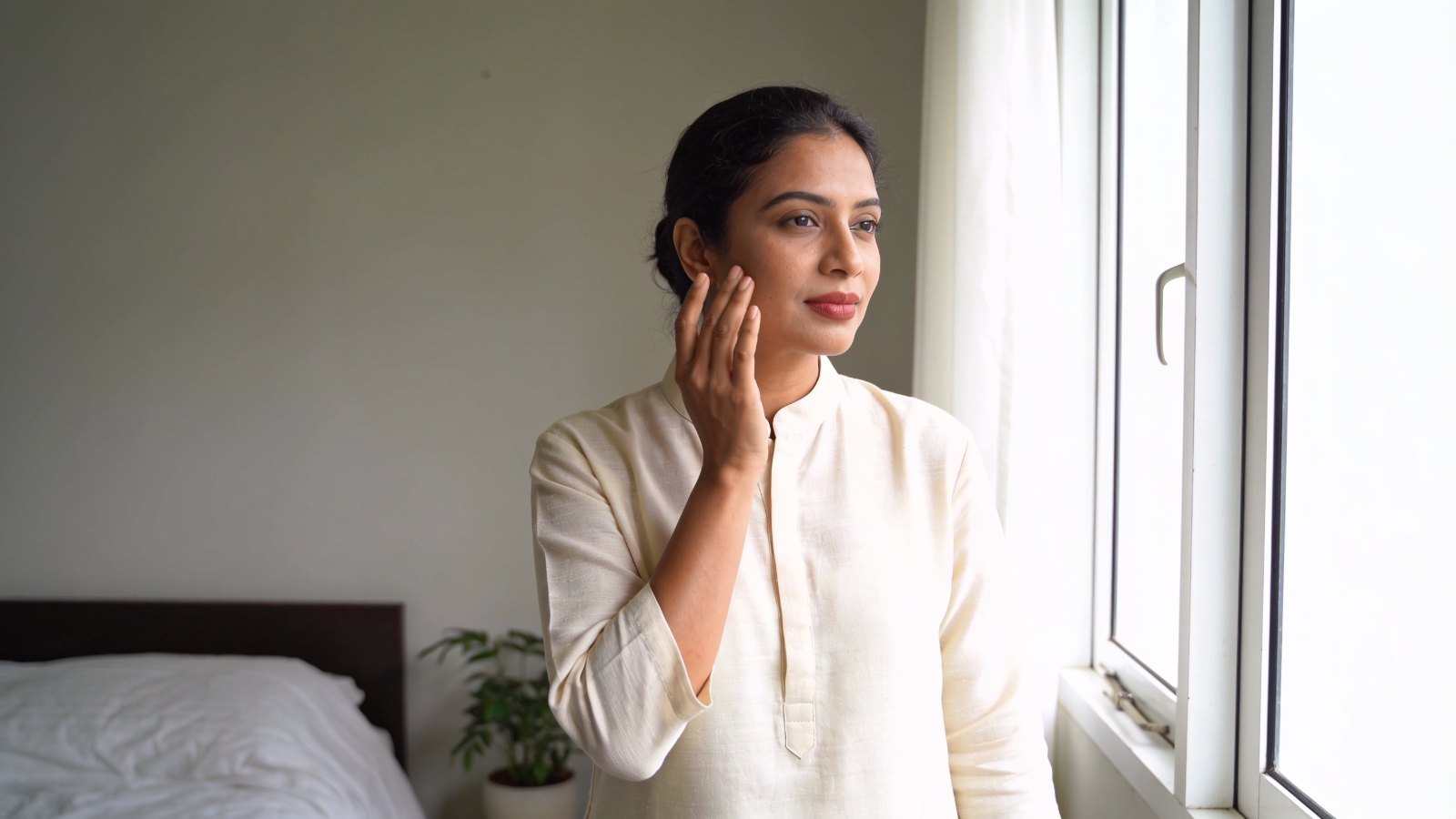
Progress is measured on your own skin. At the first visit, standardised photographs are taken in fixed positions and lighting, and some pigment is examined under magnification. At review, the same photographs are repeated and compared side by side with you, so the comparison is fair: the same angle, the same light, no make-up, no filter. These photographs stay in your medical record.
Comparing against memory, or against a phone photograph taken in a different room, is unreliable. Light from a window can hide or exaggerate pigment, and most people notice the spots they are looking for and not the ones that have gone. That is also why other people’s results online are a poor guide: the lighting, the pigment type and the skin all differ.
- Visible change: how much lighter each treated area is in standardised photographs.
- Evenness: whether the surrounding skin has stayed even, with no new darkening or pale patches.
- Stability: whether the change holds between sessions and at maintenance reviews.
- Your view: whether the change matters to you, which decides whether to continue.
“The first week after pico laser is the worst week to judge it. Spots look darker before they look lighter, and the honest comparison is made weeks later, in the same light.”
Why do pico laser results vary so much between people?
| Factor | Effect on results |
|---|---|
| Pigment type | Sharply edged surface pigment responds fastest; melasma and deep pigment respond slowly and can recur |
| Depth | Epidermal pigment clears faster than dermal pigment such as Hori’s naevus |
| Skin type | Skin types III–V need gentler settings and longer intervals, so courses can be longer |
| Sun between sessions | Unprotected sun brings pigment back and raises the risk of PIH |
| Hormones | Pregnancy and hormonal medicines can drive melasma regardless of laser |
| Aftercare | Picking crusts and early retinoids slow healing and can leave marks |
| Expectations | A course aimed at fewer, lighter spots is achievable; skin with no pigment at all is not a realistic aim |
Wavelength and pulse matter too. Shorter wavelengths such as 532 nm act on surface pigment; longer ones such as 785 nm and 1064 nm reach deeper. Picosecond pulses break pigment mainly by pressure, with less heat spread than the nanosecond pulses of Q-switched lasers. How these compare, and when each is chosen, is explained in pico vs Q-switched vs laser toning.
What Dr Sin Yong looks for
- The diagnosis of each pigment. Sun spots, freckles, melasma, Hori’s naevus and acne marks can sit side by side on one face and need different settings.
- Depth. Surface pigment and deeper dermal pigment are told apart, because the timeline differs by months.
- A realistic end point. Fewer, lighter spots and a more even tone are agreed as the aim before the first session.
- Anything that should not be lasered. A spot that is new, changing or irregular is examined first, and some are referred.
- Your sun pattern. Outdoor work, sport and travel are planned around, because they decide how long results hold.
- Hormonal factors. Pregnancy plans and hormonal medicines are asked about when melasma is present.
General clinical observations used at consultation; they describe what is checked, not any individual result.
When a spot should be checked, not lasered
Pico laser is for benign pigment. Some spots need examination first, and occasionally a biopsy, because laser removes the pigment that would have shown what they were.
- A new spot in adult life that is growing, or one that looks different from your other spots.
- Irregular edges, several shades of brown or black, or blue-grey areas within one spot.
- A spot that bleeds, itches persistently or forms a sore that does not heal.
- A dark streak in a nail, or a dark spot on the palm or sole.
- A spot that grows back quickly after earlier laser treatment.
These are referred for assessment before any cosmetic treatment. Where a mole needs removing, see mole removal.

How long do pico laser results last?
Treated sun spots usually stay lighter, but the skin that formed them is still there and new spots can appear with further sun. Freckles return with sun because the tendency is genetic. Melasma is a chronic condition and is expected to recur without maintenance. Tattoo ink that has been cleared does not come back. Texture changes from fractional treatment hold while the skin continues to age at its own pace.
What keeps results is unglamorous: daily broad-spectrum sunscreen, a hat and shade outdoors, and a maintenance session when pigment starts to return. Many people book a review before the sunniest months or after a holiday. The plan and cost of a course are explained after assessment; the consultation fee at IN Eternity Clinic is S$120, waived with any medical treatment.
What pico laser can and cannot help with is set out in pico laser benefits.
Taking your own photos, why photos differ and no change after three sessions
How should I take my own pico laser before-and-after photos?
Use the same room, the same light from a window or lamp in front of you, no make-up, the same distance and the same angles from the front and both sides. Turn off filters and beauty modes. Take photos before the first session and four weeks after each session, rather than in the first days when spots look darker.
Why do pico laser results look different from one photo to the next?
Lighting, camera settings, flash, a tan, redness and make-up all change how pigment looks in a photo. Spots also look darker for a week after treatment before they flake. Clinic photos taken under standard lighting are more reliable for judging change than phone photos in different places.
What if I see no change after three pico laser sessions?
Ask for a review. The pigment type may need a different approach, for example melasma or deeper pigment such as Hori’s naevus, or sun exposure may be undoing progress. The doctor may change the settings, add creams or other treatments, or recommend stopping if pico is not helping. Results vary.
Frequently asked questions
Does the pico laser really work?
Pico laser works well for many types of pigment, such as freckles, sun spots and tattoos, because its very short pulses break pigment into tiny particles that the body clears. Results for melasma are more variable and need maintenance. Most people need a series of sessions. Choosing the right settings for the diagnosis and your skin type matters as much as the device.
When should pico laser before and after photos be compared?
Compare photos taken in the same light, angle and camera settings: one before the first session and one about four to six weeks after the last, once any darkening or redness has settled. Pigment can look darker for a week or two after each session, so photos taken too early can mislead. Results vary with pigment type and skin.
What results can you expect from pico laser?
Sun spots are the concern most likely to change quickly. In a prospective study of sun spots in Asian patients treated with a dual-wavelength picosecond laser, most lesions cleared after a single session, with the rest needing a second. Results vary.
How many pico laser sessions before I see results?
For sun spots and freckles, many people see a clear change after one or two sessions, judged four to six weeks after each. Melasma, post-acne marks and dull tone need a course, and tattoos need many sessions. The number for your skin is estimated at assessment and reviewed as you go.
Why do my spots look darker after pico laser?
Darkening in the first week is expected. The laser breaks pigment into fine particles that rise with the healing surface and form micro-crusts, which lift in about five to ten days. New darkening two to six weeks later is different and should be shown to the clinic.
Is one session of pico laser enough?
Sometimes, for a few well-defined sun spots or freckles. Most other concerns, including melasma, dull tone, acne marks, texture and tattoos, need a course. Whether a second session is needed is decided at review, against your baseline photographs.
When will I see the final result of pico laser?
For spot treatment, the fair comparison is four to six weeks after the session. For fractional pico aimed at texture or pores, change continues for three to six months. For melasma, results are judged after the course and then kept under review.
Do pico laser results last?
Treated sun spots usually stay lighter, but new spots can form with sun. Freckles return with sun exposure, and melasma tends to recur, so maintenance and daily sunscreen decide how long the result holds. Cleared tattoo ink does not return.
Why are there no patient photographs on this page?
IN Eternity Clinic does not publish patient photographs or patient endorsements to advertise treatment, in line with Singapore’s rules on healthcare advertising. Your progress is measured with standardised photographs of your own skin, taken in the same light at each visit and kept in your medical record.
Can pico laser make pigmentation worse?
It can, uncommonly. Post-inflammatory darkening can follow treatment, especially in skin types III to V after sun or with excess energy, and melasma can darken after strong spot settings. Typing the pigment first, gentle settings and strict sun protection reduce the risk.
Is pico laser better than Q-switched laser for results?
For many benign pigmented spots in Asian skin, picosecond lasers clear pigment with less heat spread, and one randomised split-face study found fewer cases of post-inflammatory darkening on the picosecond side. For some uses the two are similar. The choice follows the pigment, not the label.
What are the disadvantages of pico laser?
Most uses need a course of sessions, and it costs more per session than older nanosecond lasers. Treated spots darken and flake for about a week, and Asian skin can develop temporary darkening or, with over-treatment, pale spots. It does not lift sagging skin or fill deep scars, and melasma can return without maintenance and sun protection. Settings are chosen after diagnosis.
Book an assessment
IN Eternity Clinic, 9 Scotts Road, #12-01 Pacific Plaza, Singapore 228210. By appointment with Medical Director Dr Sin Yong. Monday to Saturday, 11am to 8pm. WhatsApp or call +65 8815 3008. The consultation fee is waived with any medical treatment.
International KOL — CLASSYS · HIRONIC · DEKA · ALMA · FOTONA · LUTRONIC
References
- Negishi K, Akita H, Matsunaga Y. Prospective study of removing solar lentigines in Asians using a novel dual-wavelength and dual-pulse width picosecond laser. Lasers Surg Med 2018;50(8):851-858. doi:10.1002/lsm.22820
- Choi YJ, Nam JH, Kim JY, et al. Efficacy and safety of a novel picosecond laser using combination of 1064 and 595 nm on patients with melasma: a prospective, randomized, multicenter, split-face, 2% hydroquinone cream-controlled clinical trial. Lasers Surg Med 2017;49(10):899-907. doi:10.1002/lsm.22735
- Vachiramon V, Iamsumang W, Triyangkulsri K. Q-switched double frequency Nd:YAG 532-nm nanosecond laser vs. double frequency Nd:YAG 532-nm picosecond laser for the treatment of solar lentigines in Asians. Lasers Med Sci 2018;33(9):1941-1947. doi:10.1007/s10103-018-2560-3
- Dong W, Wang N, Yuan X, Zhang W. Treatment of pigmentary disorders using picosecond laser in Asian patients: a meta-analysis and systematic review. Dermatol Ther 2021;34(1):e14709. doi:10.1111/dth.14709
- Wu DC, Goldman MP, Wat H, Chan HHL. A systematic review of picosecond laser in dermatology: evidence and recommendations. Lasers Surg Med 2021;53(1):9-49 (online 2020). doi:10.1002/lsm.23244
- Chan JC, Shek SY, Kono T, Yeung CK, Chan HH. A retrospective analysis on the management of pigmented lesions using a picosecond 755-nm alexandrite laser in Asians. Lasers Surg Med 2016;48(1):23-29 (online 2015). doi:10.1002/lsm.22443
- Singapore Medical Council. Guidelines on Aesthetic Practices for Doctors (2016 edition). healthprofessionals.gov.sg/smc
These sources describe mechanisms and general evidence. They are not a promise of any individual result; suitability is decided at an in-person assessment.